
The Mediterranean diet can support weight management, but it is not a rapid or guaranteed weight-loss method. Its main advantage is that meals are often built around vegetables, beans, fruit, whole grains, fish, and other filling foods.
These foods may make it easier to manage hunger and improve the overall quality of your diet. However, portions still matter, especially for calorie-dense foods such as olive oil, nuts, cheese, bread, and dried fruit.
A realistic plan should focus on habits that can be followed for months rather than promising dramatic results within a few days.
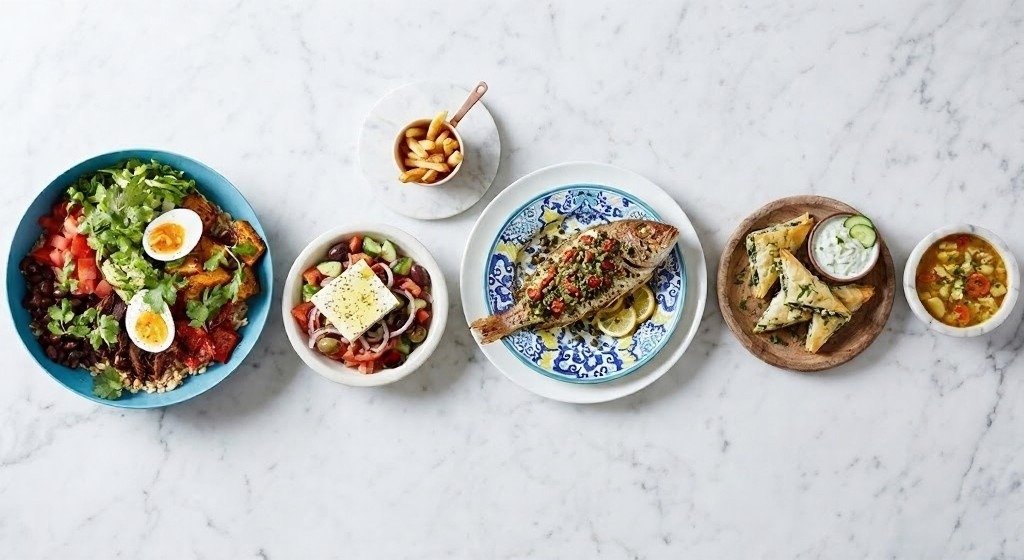
Calorie Density Principles for the Mediterranean Diet
Mediterranean diet stays central and practical. It is heart-healthy and supports eating well every day. It also helps with losing weight in a steady way. Here, the focus shifts to calorie density and smarter meals.
I usually suggest meals portioned mindfully from the start. That mirrors the Mayo Clinic Diet in useful ways. A good Mediterranean plan follows simple, steady principles. It can include flexible weekly menus without pressure.
This eating style is built around:
- Plenty of fresh fruits and vegetables
- Legumes like lentils and chickpeas
- Healthy fats in moderation, like olive oil and nuts
The best pattern uses high-volume, low-calorie foods first. That helps manage hunger without harsh restriction. For many people, this is the ideal match. It respects taste, routine, and natural limits.
Mediterranean foods ranked by calories
Within the first topic, favourite foods can be viewed differently. A calorie density scale offers a helpful comparison for planning. It sorts common Mediterranean diet foods by kcal per gram. This makes fullness easier to judge before meals.
| Food Item | Category | Calorie Density (kcal/g) |
| Cucumber | Vegetable | 0.15 |
| Tomato | Vegetable/Fruit | 0.18 |
| Lentils (cooked) | Legume | 1.10 |
| Quinoa (cooked) | Whole grain | 1.20 |
| Grilled chicken | Lean protein | 1.65 |
| Feta cheese | Dairy | 2.60 |
| Olive oil | Fat | 8.80 |
Foods can be ranked using trusted nutrition references. I often check USDA FoodData Central with Mayo Clinic resources. Both explain energy density in practical, useful ways. That helps turn theory into daily food decisions.
Foods like beans, grains, and lean meats sit midrange. They fit a moderate range in most meal plans. They work best when paired with high-volume foods. That is where smart plate building starts.
I usually add leafy greens and roasted vegetables first. This creates balanced meals with better staying power. It also leads to more satisfying meals each day. These habits support hunger control and steady fat loss.
Volume eating: Eat more, lose weight
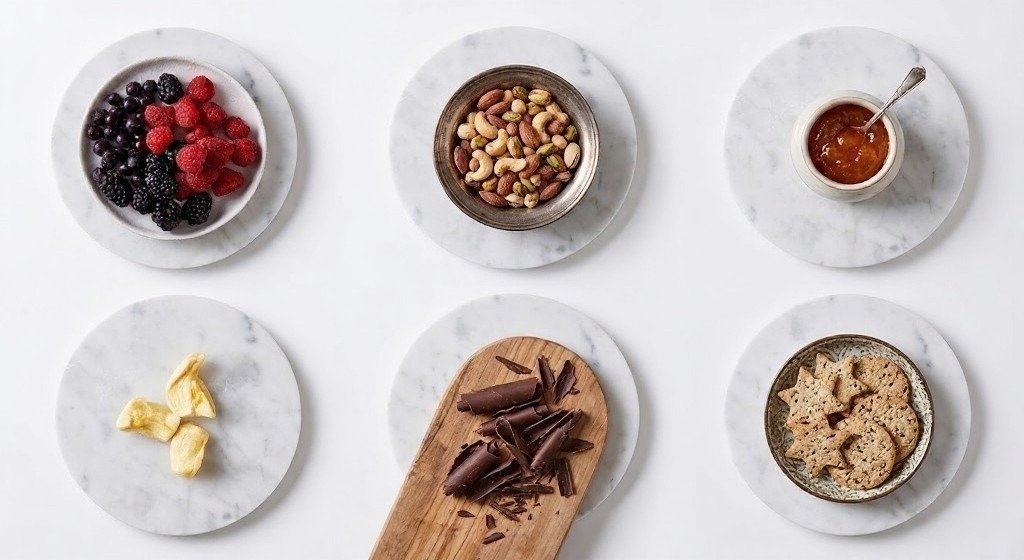
With the first idea in place, volume eating fits. The Mediterranean diet, it supports real weight loss. The method uses calorie density as a daily strategy. You build bigger portions on every plate.
These meals gently stretch the stomach. That helps satiety hormones tell you you’re full sooner. I use this in Mediterranean diet fat-loss plans. It works because fibre improves satiety.
Your body still gets strong nutrients and steady energy. This approach also aligns with the Mayo Clinic Diet. It does not promise unlimited servings of everything. But it favours fresh fruits and vegetables first.
These choices usually have low calorie density naturally. So you can eat freely across key food groups. That helps support weight loss without stress.
For many people, no measuring is needed. Often, there is also no counting at meals. From experience, that makes consistency much easier. It feels generous, calm, and very practical.
Easy meal planning for weight loss
- The first topic sets the base for this step.
- A sample 1-day Mediterranean meal plan makes it practical.
- It can support weight loss through low-calorie-density choices.
- The aim is maximum satisfaction without rigid eating rules.
| Meal | Description |
| Breakfast | Overnight oats with Greek yoghurt, berries and chia seeds. |
| Lunch | Chickpea and tomato salad with cucumbers, olives, a squeeze of lemon and olive oil. |
| Snack | Sliced bell peppers with hummus and fresh fruit of your choice. |
| Dinner | Grilled salmon over a bed of roasted eggplant, zucchini, and farro. Load your plate with vegetables. |
This method also reflects the Mayo Clinic Diet style. A strong Mediterranean meal plan stays flexible and realistic. I usually keep each meal clear and balanced. That makes the day easier to follow.
Other simple ways to keep meals lighter:
- Sauté with broth instead of oil
- Add chopped spinach or kale to soups and sauces
- Be mindful of higher-calorie foods like nuts and cheese, aim for a small handful or a piece about the size of your thumb
The real goal is to eat deliciously and lose weight. That is why structure matters more than perfection. Good planning turns healthy choices into daily ideas. Then those ideas move into steady action.
Each meal should be built around lighter, filling foods. That keeps the plan easy to manage. I have seen this work well for busy clients. It brings more control and less meal stress.
A Simple Weight-Loss Plate
For a main meal, begin with vegetables or salad. Add a moderate serving of beans, fish, eggs, chicken, lentils, or another protein. Complete the meal with a controlled portion of whole grains, bread, pasta, or potatoes.
Use olive oil, cheese, nuts, and sauces for flavor, but measure them instead of pouring or adding them without attention. These foods can be nutritious, but large portions can quickly increase the meal’s total energy.
What Results Should You Expect?
Weight change is different for every person. Some people lose weight after improving their food choices and portions, while others may maintain their weight but notice improvements in meal quality, energy, or eating habits.
Mediterranean-style eating tends to work best for weight management when it is combined with appropriate portions, regular movement, adequate sleep, and a routine that can be maintained long term.
Avoid judging progress only by daily changes on the scale. Waist measurements, energy levels, consistency, and how your clothes fit may also help you understand your progress.
Common Mistakes That Can Slow Progress
Using too much olive oil: Olive oil is a traditional Mediterranean fat, but it is still calorie-dense.
Eating large portions of nuts and cheese: These foods are easy to overeat when portions are not measured.
Treating whole-grain bread and pasta as unlimited: Whole-grain foods can be useful, but portion size still matters.
Drinking calories: Sweetened coffee, juices, sugary drinks, and frequent alcohol can add energy without making the meal more filling.
Expecting immediate results: Sustainable weight loss usually comes from repeated habits rather than one “perfect” week.
Common Pitfalls in the Mediterranean Diet
The first topic explains why this style can work. Still, the Mediterranean diet is not always weight-loss friendly. A few mistakes can easily stall progress over time. That is where people often need a better structure.
Another issue is ignoring portions of richer foods. This happens with cheese, whole grains, and hummus. They can fit well, but amounts still matter. Good food can still slow results when unchecked.
Some people are also missing movement in daily life. Yes, food matters, but activity has a strong role. It supports energy balance and steady fat loss. That part should never be treated as optional.
The Mayo Clinic Diet handles this with practical support. It uses tracking tools and coaching to catch blind spots. That helps people adjust the plan as needed. Then they can move forward accordingly with more confidence.
Mediterranean Diet vs. Other Low-Calorie Diets
The first topic builds the base for this comparison. The Mediterranean diet feels different from stricter methods. It is not like extreme low-carb or fasting diets. The biggest difference is long-term sustainability.
This style gives more nutrients, more variety, and more satisfaction. That matters in any serious weight loss plan. Some diets promise quick results at the start. But many sacrifice satiety and food enjoyment.
The Mediterranean approach prioritises balance instead of rules. It avoids eliminating entire food groups without reason. That makes daily eating feel less forced. In my experience, people stay calmer with this method.
It offers a Mediterranean meal plan option for flexibility. There are also higher protein choices and vegetarian plans. That range helps different people find a better rhythm.
Another strength is its use of low-calorie-density foods. That supports better fullness across normal meals. These plans are designed for real life, not extremes. That is why many people prefer these approaches.
The food pattern is also naturally rich in plants. That detail is crucial for health and daily comfort. It also helps with sticking to the plan longer. For most people, that matters more than fast promises.
Common Mistakes That Can Slow Progress
FAQ’s
Q. What do you eat in a day on the Mediterranean diet?
Ans: Breakfast: yoghurt, fruit, nuts; lunch: beans, fish, vegetables.
Dinner: olive oil, whole grains, salad; occasional fresh fruit.
Q. Can I follow the Mediterranean diet every day?
Ans: Yes, it is balanced and suitable for everyday eating. Keep portions sensible, and vary foods across the week.
Q. How to start a Mediterranean diet daily?
Ans: Start with olive oil, vegetables, beans, and whole grains. Add fish, fruit, nuts; reduce sweets and processed foods
More Related Articles:
Effective Mediterranean Diet Plan for Daily Routine
Surprising Health Benefits of the Mediterranean Diet
Foods to Avoid in the Mediterranean Diet