Introduction
My idea of perfect roasted Mediterranean potatoes is always quick and easy. I love to prepare these potatoes and let the oven do the rest.
I never bother with the extra step of boiling them first. They come out amazing even without boiling, which makes cooking much simpler.
I like creativity, but it is not always needed here. These roasted potatoes taste perfectly roasted with sea salt, olive oil, and an herb or two.
Fresh Rosemary Roasted Mediterranean Potatoes
I love roasted potatoes because they take only ten minutes to throw together. Then the oven does the work for nearly an hour. Soon, beautiful Mediterranean aromas start wafting through the house.
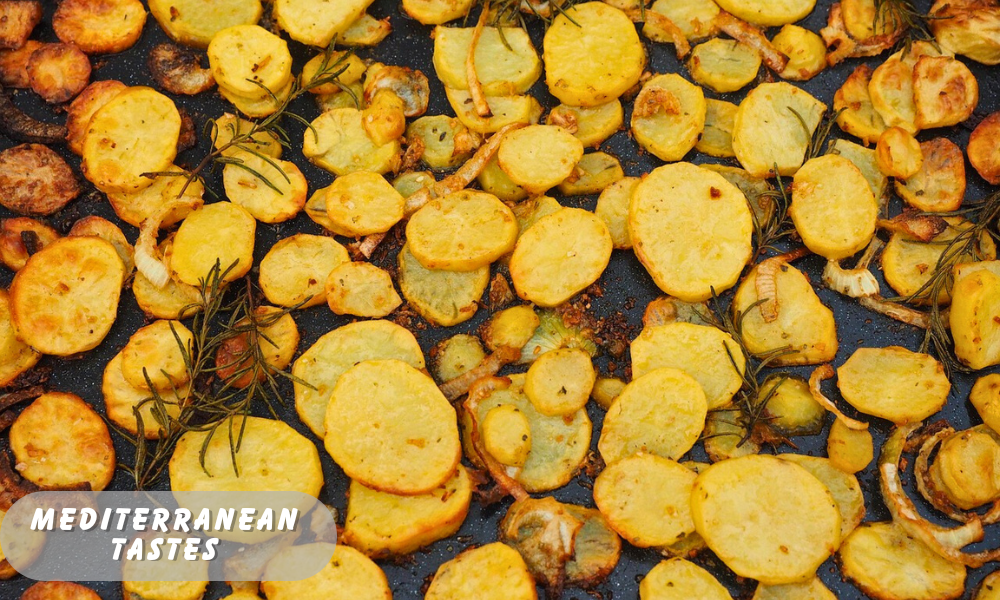
The rosemary scent feels pleasant and honest in my kitchen. The potatoes come out perfectly creamy inside every time. They turn golden, crispy outside, with very little effort.
At my house, we usually eat these easy Mediterranean potatoes. They fit an equally simple Mediterranean meal on busy evenings. I often add roasted chicken, steak, or baked sides.
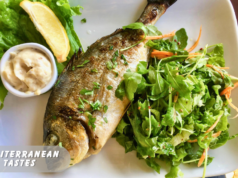
For memorable dinners, I serve salt-encrusted whole fish beside them. Sometimes it is stuffed with a sprig of rosemary. Everything is served alongside fresh lettuce lightly tossed. A little olive oil and fine sea salt finish things well.
These plates feel enjoyable and deeply satisfying at the table. For me, this meal makes ordinary nights feel special. The crispy, salty, golden potatoes bring real comfort fast. They are made for sharing and easy family-style serving. These meals never feel heavy yet remain complete.
Ingredients
| Ingredient | Why It Matters |
| Potatoes | They become soft inside and crisp outside. |
| Sea salt | It helps the potatoes roast well and turn golden. |
| Olive oil | It adds fresh flavor and a lovely aroma. |
| Rosemary | It lifts and balances all the flavors. |
Rosemary
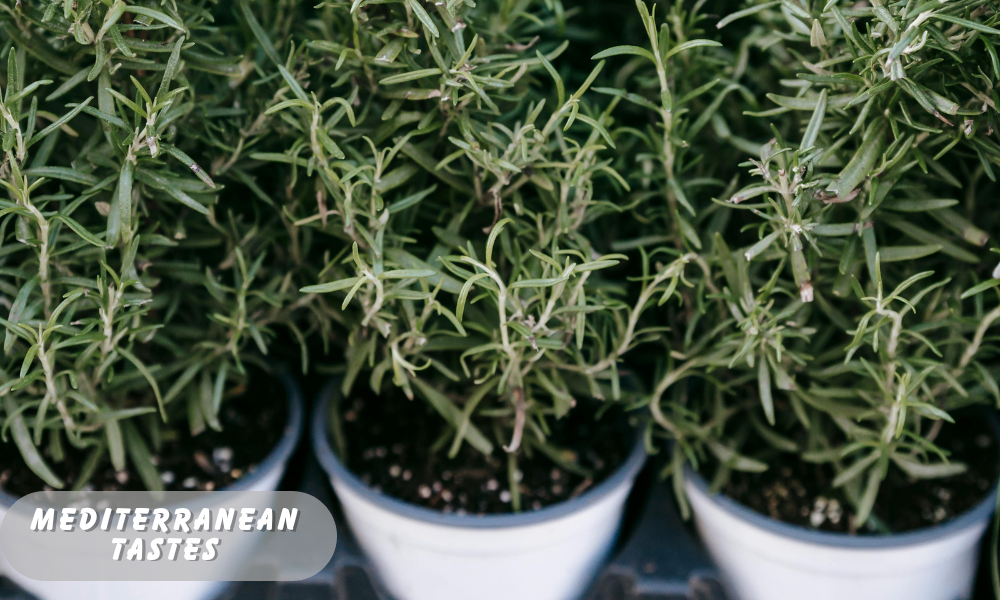
In Italy, cooks often mean serious flavor when rosemary is involved. With roasted potatoes, it feels traditional and a valued part. This pairing suits the Mediterranean diet and simple home cooking.
I use fresh rosemary first, but dried is fine, too. For me, roasted potatoes taste brighter when rosemary leads. That is why rosemary remains essential to this dish.
Garlic
Many people add garlic to potatoes because it is undoubtedly delicious. The real challenge is burning it into unpleasant bitterness. I avoid tossing minced garlic at the beginning. That does not work well under high heat. Some try adding it raw at the end. It feels healthy, but the taste gets pretty strong.
I prefer sautéing the garlic beforehand, then adding it later. Still, that means more work on busy cooking days. In Italy, I learned to use whole cloves instead. They are crushed in their skins and gently tossed.
Best Potatoes to Use
This recipe calls for the yellow kind of potatoes. I find Yukon Gold potatoes especially great for this dish. Fingerling potatoes bring beautiful flavor and lovely texture, too. Still, they are not the same crisp and creamy texture combo.
For me, Yukon Golds are the best choice. Of course, use what you can get your hands on. Keep in mind that each kind of potato can vary. That changes the quality of texture you achieve and the level of enjoyment.
- Yukon Gold has less starch and more sugar. That means more browning than russet or baking potatoes.
Cooking results with them are easy to love. They stay creamy inside, turn darker golden, and get crispy outside. The flavor feels flavorful and buttery with a great taste. That balance works beautifully with rosemary and olive oil.
- Russets, aka Burbank, Idaho, or baking potatoes, are more starchy. They show less browning and cook up a bit differently.
Cooking results are still useful in some kitchens. They turn dry with a fluffy inside and lighter-colored finish. They still get crispy outside but keep a mild taste. That is why I choose Yukon Gold more often.
Note: Whatever potatoes you pick, be careful. Always avoid green potatoes and follow best practices.
Tips for Perfect Potatoes
- I always trim potatoes well before roasting them at home. I remove damaged parts, buds, sprouts, and green parts carefully. These spots may have high levels of a toxin called solanine. That’s why I never cook pieces that look too toxic.
- I store them in the dark because light causes potatoes to turn green. This keeps elevating solanine from building up over time.
- I also store them in a cool place at home. This helps prevent sprouting and keeps the risk high only around neglected potatoes.
Can You Store Potatoes in the Fridge?
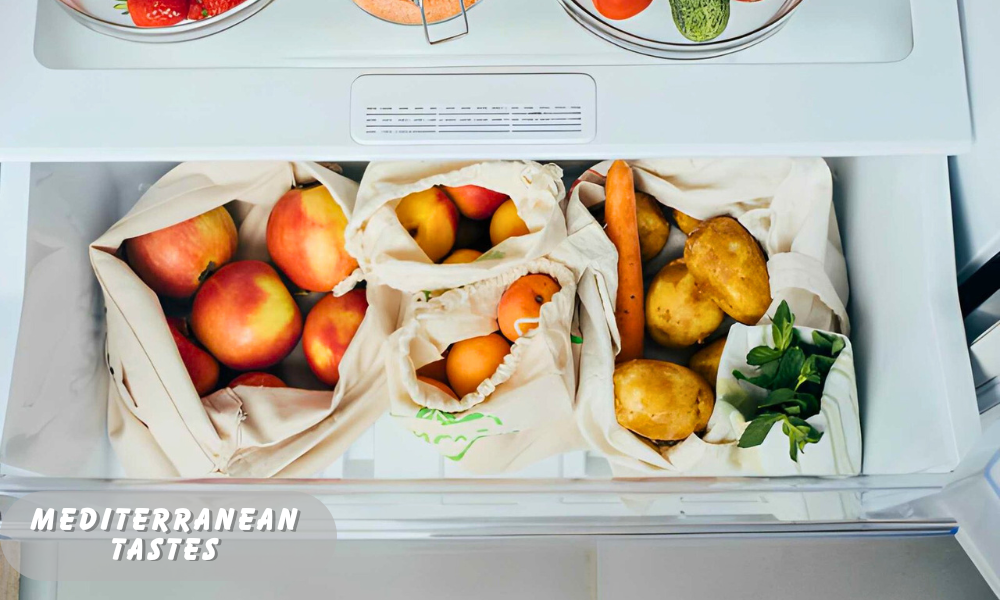
You can store potatoes in the fridge, but be careful. That level of coldness often changes how they roast. The chill breaks starch chains into sugar inside each potato. This causes them to brown faster, which feels desirable sometimes.
Still, results change depending on the different kinds you use. I test varieties often before deciding where to store them. For me, russets usually fare better in colder storage. They begin with higher-starch and lower-sugar levels naturally.
Yukon Golds already have sufficient sugar for good browning. In the fridge, they may over-brown and lose balance. The wise Shirley Corriher explains this in Kitchenwise clearly. Too much sweetening can wreck a fluffy, starchy texture.
Here is one great tip I always follow at home. Take them from the refrigerator at least a day before cooking. That pause lets the sugars reform back into starch. It helps during the heat, summer, or before going on vacation.
Easy Method for Perfect Roasted Potatoes
To get a perfectly crispy potato, focus on the exterior first. The center should stay tender, with a soft interior. You do not need to preheat the pan or parboil anything first. I skip extra steps because good roasting needs very little.
Too many extra pans only add work with no gain. Over time, I found the minimum needed for real deliciousness. For me, a great roasted potato does not ask much. If you want easy cooking, keep the process simple. That is what really helps the texture stay balanced.
I have roasted hundreds of batches over the years. The most delicious, crispy, creamy potatoes come from restraint. I simply spread potato wedges on a rimmed sheet pan. Then I start tossing them with olive oil, salt, and rosemary.
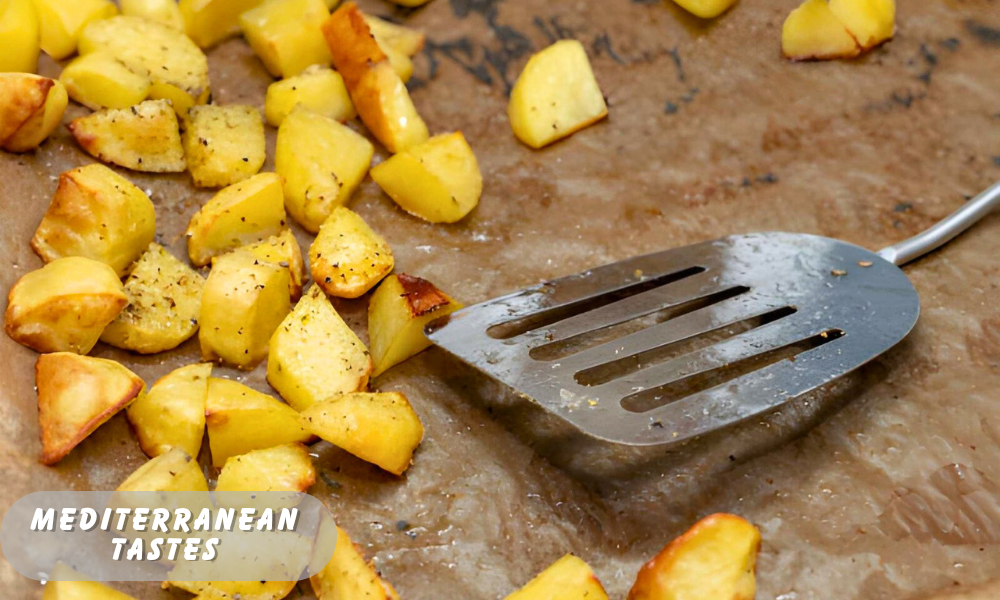
After that, the oven takes over with steady heat. This method stays easy, reliable, and full of flavor. Someone checks them a little while later during roasting. Then someone scrapes with a metal spatula very gently. That helps with loosening stuck and caramelized bits from the pan.
Those browned edges become purely crispy deliciousness with enough heat. I usually check once more when the time feels close. By then, they look deeply golden and almost ready.
Once served, they are quickly devoured at our table. Every single time, people ask why I did not make more. That reaction tells me the method works every time.
Smart Tips for Better Roasted Potatoes
- Choose peeled or unpeeled potatoes by preference, but cut any green parts because of toxic solanine. I like the earthy taste of potato skins for extra flavor.
- After cutting, check the type of potatoes. If they are particularly starchy, rinse the potato wedges, remove extra starch, and dry well before cooking to ensure better browning.
- Give the potatoes enough space in the pan and fill the sheet pan just right. If it is too much, too full, packed, tight, or on top of each other, they may not get crisp enough; if too little or too empty, some parts may scorch, even in a full tray of roasted Mediterranean potatoes.
Reheating Roasted Potatoes
I find reheat methods work better than letting roast potatoes sit. A hot oven can keep them warm, though not ideal. After trying both, reheating always gives a better texture.
What Is the Best Method to Warm Them Again?
The best way to reheat roast potatoes is simple. I prefer re-roasting them at around 400°F or 200°C. Usually, around 10 minutes makes them crisp and hot again. When I want faster results, I sauté them instead. A good skillet brings color back to roasted potatoes quickly. This method also helps the edges stay crisp and light.
Can Roasted Potatoes Be Frozen?
Roast potatoes are always better fresh, but they still freeze well. For me, it is a good idea to plan meals. I let the potatoes cool, then freeze them on a tray. This helps before transferring them into a bag or freezer container. When needed, I defrost and reheat them until crisp again. I find they stay good for a few months while frozen.
Tools and Olive Oil Sources for Better Roasted Potatoes
- A good peeler saves time during potato prep every time. I like a potato bud remover, especially the Oxo peeler.
- A thin metal spatula lifts crisp potatoes without breaking edges. A fish turner is also great for this job.
- For roasting, use a rimmed sheet pan for even browning. My favorite is Chicago Metallic, though a roasting pan works. A cast-iron skillet also gives strong heat and color. I use it often for deeper crust and texture.
Olive Oil:
Choosing the right olive oil changes both taste and finish. Good extra virgin olive oil brings balance, aroma, and depth. Many extra virgin olive oils in the US feel too expensive. I have liked Trader Giotto’s Sicilian Selezione Extra Virgin Olive Oil.
At Trader Joe’s, it is often reasonably priced and nicely fruity. It works well to cook and add flavor. You may also shop at Whole Foods in the UK. It is useful in Canada, too, in stores or online. A Sicilian bottle often gives bright flavor and freshness.
For true Mediterranean cooking, I prefer trusted regional oils. Buying bulk olive oil straight from the source is smart. The extra virgin olive oil tastes amazing in terms of freshness and color.
That rich flavor is the real reward for me. A bonus is that it is often cheaper. You can store oil in a big stainless steel can. Some people also prefer smaller bottles for daily use. At harvest time in the fall, local oils shine brightest. A short road trip to an olive-growing area helps.
There, you may meet an olive grower or local frantoio. An olive oil mill often sells fresh seasonal batches. I like buying newly pressed oil for the next 6 months. If needed, I buy enough for a year.
That only works well if you have storage space available. From experience, the effort feels completely worthwhile.
Recipe
Makes: 2 to 4 servings
Ingredients
- I start with 4 to 5 medium Yukon Gold potatoes. Use around 2 lb or 1 kg, with trimmed buds and green, damaged parts removed.
- You can keep them unpeeled or peel them. Make sure they are washed and dried very well.
- Next, add 1½ Tbsp olive oil for even roasting. Then mix in 1 tsp medium-fine sea salt or kosher salt.
- I also like 3 to 4 sprigs of fresh rosemary. Use around 1 Tbsp, roughly chopped, for bold garden flavor.
Makes: 4 to 8 servings
Ingredients
- I usually start with 8 to 10 medium Yukon Gold potatoes. That gives around 4 lb, or 2 kg, perfect for sharing. Check for buds, greens, or damaged parts before roasting. Once trimmed, keep them unpeeled or use them peeled.
- After that, leave them washed and dried very well. This step always helps the edges turn crisp and golden.
- Then coat them with 3 tbsp olive oil evenly. Add 2 tsp medium fine sea salt or kosher salt.
- Finish with 6 to 8 sprigs of fresh rosemary. I like around 2 Tbsp, roughly chopped, for a stronger flavor.
Makes: 6 to 12 servings
Ingredients
- For large meals, I use 12 to 15 medium Yukon Gold potatoes. That means around 6 lb or 3 kg, enough for hungry guests. First, inspect for buds, greens, and damaged parts carefully. Once trimmed, leave them unpeeled or peel them.
- I always keep them washed and dried before seasoning. That little habit helps the potatoes roast more evenly.
- Then add 4 ½ Tbsps of olive oil over everything. Mix with 3 tsp medium-fine sea salt or kosher salt.
- Finish using 9 to 12 sprigs of fresh rosemary. I prefer around 3 Tbsp, roughly chopped, for a deep aroma.
Instructions
- First, preheat the oven to 425°F or 225°C. I always start here, because high heat builds better crisp edges.
- Then cut about a half-inch or 1 cm cap from each end. Slice each potato in half, then lengthwise into fairly uniform bite-sized wedges.
- Now mix and place the potatoes in a pan. Douse with enough olive oil to coat them well. Use a generous film of oil, then sprinkle salt. Add ¾ cup rosemary, then spread it in a single, uncrowded layer. That extra room helps every side turn deeply crisp. I learned that crowded trays steam potatoes instead of roasting them well.
- Next, roast them for about 45 minutes until soft. They should feel tender when pierced and look golden outside.
Halfway through, scrape up any pieces stuck underneath and redistribute them. A thin metal spatula works well for lifting those browned edges. Some bits may seem hard, but they caramelize deliciously. At this point, I squash a few pieces lightly.
Use a fork or potato ricer to make surfaces rough. That little trick helps encourage more crispiness during roasting.
Later, check them once more during the remaining cooking time. Lift the caramelized bits, and start tasting for seasoning. Add more fresh rosemary before giving everything a final stir.
Serve and enjoy them warm from the pan.