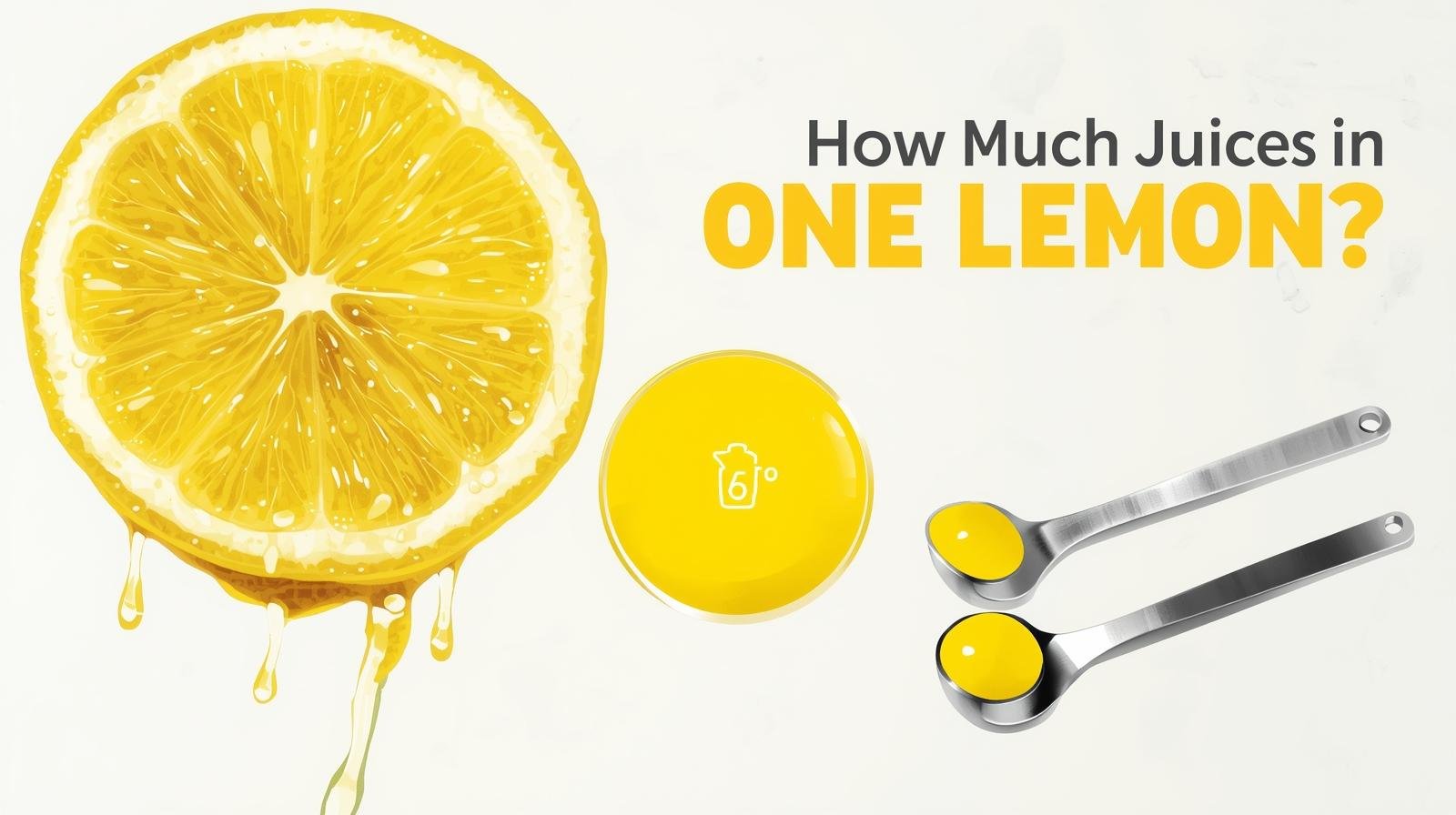
When a recipe calls for one cup of fresh lemon juice, people often ask how many lemons to buy. From my kitchen experience, it often takes about 4, but sometimes only 3, and on rare days even 5 or more.
The amount really depends on lemon size, ripeness, and the kind of lemon you pick. I am constantly reminded that bigger lemons can have little juice, while small lemons may hold a lot of juice, which makes a real difference.
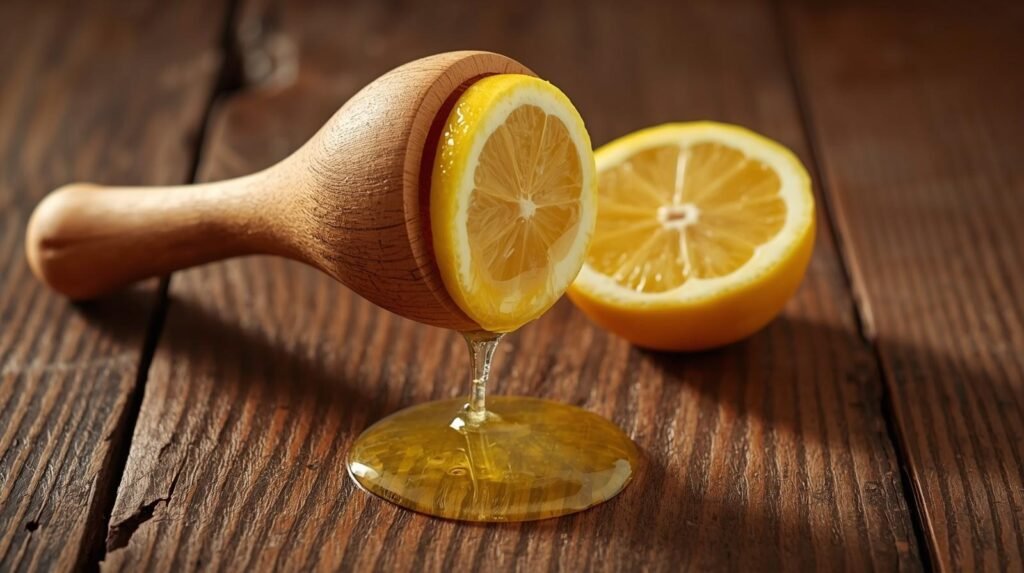
When I start making something simple like lemon granita, a perfect summertime refreshment around here, I first cut lemon halves on a cutting board with a paring knife. Then I begin juicing using a wooden citrus reamer to extract juice smoothly.
Before squeezing, I always do zesting, because it adds flavor to the recipe. A quick printable chart nearby works as a general guide and good guide, giving useful info when measuring a cup of lemon juice.
Some helpful tips I follow every day: roll the lemon first and press firmly while juicing. This simple habit helps release more juice even from small lemons.
What You Can Expect from a Single Lemon
In most kitchens, an average medium-sized lemon can produce 3 to 4 tablespoons of fresh juice. This is the amount I usually get when squeezing lemons for salad dressings or tea.
However, the result can change depending on the size of the fruit. A bigger lemon often gives more liquid, while smaller ones may fall slightly short of the usual kitchen estimate.
The variety and ripeness of the lemon also matter. From my experience, softer and fully yellow lemons release more liquid when squeezed.
Another key factor is the method of juicing. Hand-squeezing works well, but a citrus press can extract more liquid with less effort.
Still, one lemon yields typically about the same range most recipes expect. Once you’ve squeezed a few lemons in the kitchen, it becomes easy to judge how much juice you’ll get.
What You Can Expect from a Half Lemon
When I cut a medium lemon in half, it usually yields about 1½ to 2 tablespoons of juice. This small amount is often perfect when a recipe only needs a quick splash of citrus.
From experience, squeezing a half lemon by hand can still give a good amount of juice. Most times it stays close to about 1½ to 2 tablespoons, especially when the fruit is fresh and ripe.
A Practical Look at Lemon Juice Yield by Lemon Size
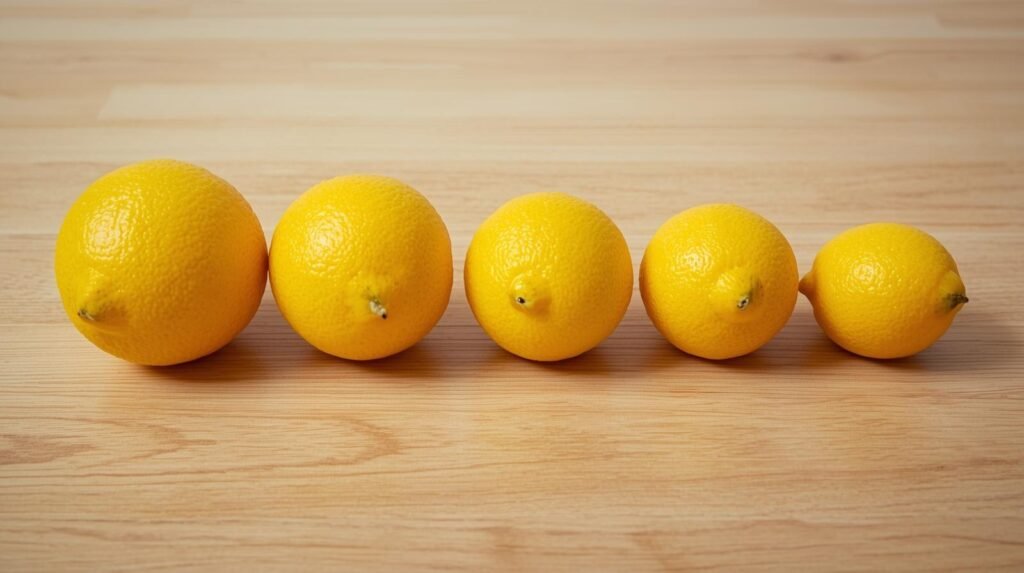
From years of squeezing citrus in my kitchen, I’ve learned that the breakdown of the approximate lemon juice yield depends mostly on the size. Knowing simple conversions between tablespoons, teaspoons, and milliliters helps a lot when a recipe asks for exact amounts.
A quick rule many cooks use is that half a lemon often gives about 1½ to 2 Tbsp of juice. That equals around 4½ to 6 tsp, roughly ¾ to 1 oz, or close to 20 to 30 mL, depending on how juicy the fruit is.
When I pick one small lemon, the juice is usually about 2 to 3 Tbsp. In teaspoons, that becomes about 6 to 9 tsp, which converts to about 1 to 1½ oz, or roughly 30 to 45 mL.
A medium lemon is what most grocery stores sell. It commonly produces around 3 to 4 Tbsp, equal to 9 to 12 tsp, about 1½ to 2 oz, or close to 45 to 60 mL of fresh juice.
If the fruit is large, the yield increases noticeably. A large lemon often gives about 4 to 5 Tbsp, which equals 12 to 15 tsp, roughly 2 to 2½ oz, or about 60 to 75 mL.
Occasionally, you find a one-jumbo lemon at the market. Those can produce around 5 to 6 Tbsp, about 15 to 18 tsp, roughly 2½ to 3 oz, or about 75 to 90 mL of juice.
In recipe terms, many chefs simplify things. About 2 ounces of lemon juice is close to ¼ cup, while 3 ounces is about ⅜ cup, which is still a little less than ½ cup.
From personal experience, rolling the lemon on the counter before cutting can slightly increase the juice yield. It’s a small trick, but it often helps squeeze every last drop from a lemon.
How many lemons do I need for a cup of lemon juice?
When someone asks how many lemons it takes to fill a cup of juice, the answer is usually simple. In most kitchens, 1 cup of lemon juice comes from around 4 medium lemons, though how big each one is can slightly change the amount.
If you only need a half cup, the math is easier. It usually takes around 2 medium lemons, and knowing how many lemons give 1/2 cup of juice helps when measuring quickly during cooking.
Sometimes a recipe calls for a third cup of lemon juice. From experience, around 1 ⅓ or 1/3 medium lemons can fill a cup portion like this, though how many lemons you squeeze still depends on the size of each one.
For a smaller amount, like a fourth cup, you usually need around 1 medium lemon. If you wonder how many lemons it takes for 1/4 cup of juice, a single one often works perfectly.
How many lemons are needed
| Juice Wanted | 1/4 cup | 1/3 cup | 1/2 cup | 1 cup |
| Ounces | 2 oz | 2.67 oz | 4 oz | 8 oz |
| Milliliters | 60 mL | 80 mL | 120 mL | 240 mL |
| Lemons Needed | 1 medium lemon | 1 + 1/3 medium lemons | 2 medium lemons | 4 medium lemons |
Simple Ways to Juice a Lemon
When working with a lemon, a few juicy tips make everything easier. I always remember to start with the zest first, because it is easier before you cut the fruit, and one lemon usually produces around 1 tablespoon.
During zesting, it’s a good idea to clean organic lemons well. I usually wet the fruit, rub the skin with baking soda to remove residues, wax, or dirt, then rinse, sometimes scrub lightly with vinegar, and rinse again.
If a recipe calls for lemon juice, I often add some zest too. The natural oils in the peel bring a strong aroma that lifts the whole dish, making the juice taste brighter and fresher.
My preferred tool for citrus peeling is a fine zester grater. When people ask how much lemon zest comes from one lemon, the simple answer is around 1 tablespoon.
Getting the Most Juice from a Lemon
In my kitchen, a few tools and tricks always get more juice from a lemon. It begins with choosing the best lemons, because the kind you pick decides how much fresh juice you will collect.
I usually choose the ripest, nicest, yellow fruit while avoiding ones picked too green. Always look for smooth skin and choose the heaviest lemons for their size, since they often hold the most juice.
Another small trick is temperature. Lemons kept at room temperature produce more juice than those from the fridge, so I take them out 30 minutes to an hour before juicing, or warm them in the microwave for about 10 seconds.
Before cutting the fruit in half, I try rolling it first. I roll the lemon on the cutting board a few times with little pressure to help break the inner structure, loosen the pulp, and release the fresh juices.
Juicing a Lemon Without a Juicer
First, cut the lemon in half crosswise around its equator. This simple start makes it easier to work with the fruit and prepare it for squeezing fresh juice.
One preferred way I often use for up to 5 lemons is a wooden citrus reamer. Just twist the reamer into the lemon half, pressing against the inside walls of the lemon as you twist to release the juice.
Another handy option is a handheld citrus squeezer. I prefer the larger-sized orange squeezers. Simply place the lemon half in the cup of the citrus squeezer, cut side towards the holes, then squeeze.
When I only need less than 2 tablespoons, I use my hands and a fork. Poke the fork into the lemon half, twist, and squeeze hard while the fork tines help push out the last drops.
Favorite Kitchen Tools for Juicing Lemons
In our house, we keep a few favorite tools ready for juicing lemons. A simple hand press citrus squeezer, a glass bowl citrus reamer with a spout, and a wooden citrus reamer juicer are tools I truly love.
Another tool I really love is an olive wood lemon reamer, along with a pomegranate citrus press, which I also love. These favorite ways to get fresh juice work great for five or fewer lemons, and by far, judging by how much we use them, they remain our top two picks.
The olive wood lemon reamer and a good old fork are simple but reliable. When making larger quantities, we reach for an amazing Turkish pomegranate citrus fruit press, which I highly recommend.
This simple yet ingenious tool uses a rotating arm that makes it easier to press fruit. Its rare quality is that it is not top-heavy, which makes juicing smoother and more comfortable.
How Long Does Lemon Juice Stay Fresh?
Freshly squeezed lemon juice usually lasts in the fridge for a few days, typically about 2 to 4 when stored properly. I always use an airtight container to keep it fresh as long as possible.
It’s important to keep in mind that freshness, flavor, and vitamin C begin to degrade quickly. From my experience, the fresher the juice, the better it tastes and the more you enjoy its natural benefits.
Freezing Lemon Juice for Longer Storage
Yes, you can freeze lemon juice, and it works very well when stored properly. In my kitchen, frozen juice can stay good for up to 4 to 6 months, which makes it a very convenient way to save extra citrus.
A simple method is freezing the juice as ice cubes. First, strain the juice, remove any seeds, then pour it into ice cube trays and cover to keep everything airtight.
Always remember to leave some room because the juice will expand as it freezes. This is important, especially when using containers with tight lids.
FAQ’s
Q. How much juice does one lemon produce?
Ans: A medium lemon usually yields about 3–4 tablespoons of fresh juice. The exact amount depends on size, ripeness, and how efficiently the lemon is squeezed.
Q. How many lemons are needed for one cup of lemon juice?
Ans: Most recipes need about 4 medium lemons to make 1 cup of fresh lemon juice, though very small or very large lemons can slightly change the number.
Q. How much juice is in half a lemon?
Ans: Half of a medium lemon typically gives around 1½–2 tablespoons of juice, which is perfect when recipes need just a small splash of citrus flavor.
Q. Do larger lemons always give more juice?
Ans: Not always. While large lemons often produce more juice, some small lemons can be surprisingly juicy depending on freshness and ripeness.
Q. What affects how much juice a lemon produces?
Ans: Size, ripeness, variety, and juicing method all affect yield. Softer, fully yellow lemons usually release more juice when squeezed.
Q. What is the best way to get more juice from a lemon?
Ans: Roll the lemon on the counter before cutting and keep it at room temperature. These simple tricks help loosen the pulp and release more juice.
Q. How much lemon zest comes from one lemon?
Ans: One medium lemon usually produces about 1 tablespoon of zest, which adds a strong citrus aroma and flavor to recipes.
Q. Can you juice a lemon without a juicer?
Ans: Yes. You can squeeze by hand, twist a fork inside the lemon, or use a wooden citrus reamer to extract juice easily.
Q. How long does fresh lemon juice stay fresh?
Ans: Fresh lemon juice usually lasts about 2–4 days in the refrigerator when stored in an airtight container.
Q. Can lemon juice be frozen for later use?
Ans: Yes. Lemon juice freezes well for 4–6 months. Pour it into ice cube trays, freeze, and store the cubes in airtight bags for easy use.