
What is Citron?
In a local supermarket produce section in Siena, I once noticed a fellow shopper holding a citron in her hand. Curious, I asked her, “What is citron? How do you eat it exactly?” That moment years ago sparked my interest in this unique citrus fruit.
Later, I realized many people do not know what to do with citron, even in Italy, where it is called cedro and has a long history. In simple terms, citron is a fragrant citrus fruit often valued more for its thick peel than its pulp in culinary preparation.
When we talk about citron, there are many ways to enjoy it. I often use it as an ingredient in cooking, adding bright flavor to food in the kitchen, especially when trying traditional Italy cedro recipe preparation styles. For beginners who wonder how to eat it, start simple.
Try 3 favorite easy citron recipes, where citron works beautifully in sweet or savory recipes, bringing fresh citrus notes to everyday culinary cooking.
Citron vs Lemon
Many people are surprised to learn that lemons are actually descendants of citrons. The main difference between a citron and a lemon is the large size, unusual variety of shapes, and the thick rind with a thick peel.
Inside a citron, you will notice the pith is very prominent; some citrons are almost entirely pith. At first, people worry about that white layer, but it can be good to eat when used the right way.
You may not want to simply bite into it, but with a little dressing, the citrus fruit becomes a real delight. In my cooking, I often use the peel as an ingredient to add flavor and unique texture to food during culinary preparation.
What do Citrons Taste Like?
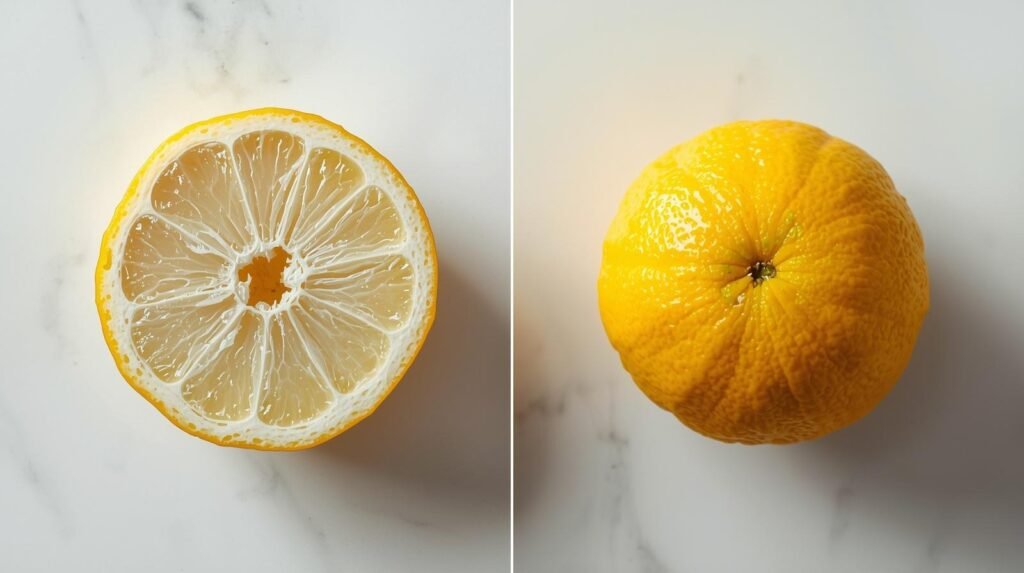
When people think of a lemon, the pith is something they usually avoid. But with citron, the giant amount of pith can be quite pleasant to eat, not bitter like most lemons.
A round citron has a soft, almost understated elegance in taste. It is not as strong or vibrant as a lemon, but there is a feisty surprise, a tiny bit of juicy pulp hidden at the center.
From my experience slicing this citrus fruit, triangle-shaped slices are the perfect shape to cut. The edible outer peel and thick rind often feel stronger tasting than lemon peel, adding depth to flavor and texture in cooking.
Some varieties, like citrus medica var sarcodactylis, the citron, widely nicknamed Buddha’s hand in many countries and languages, are unique. These fruits have pithy sections with little pulp and a higher ratio of skin per slice.
Because the peel is rich in essential oil limonene, these round, pithy citrons release a bold aroma. Their fragrant rind and peel make them valuable in culinary preparation where ingredient flavor matters.
Across the world, citrons have also been used in rituals, folk medicine, and remedies for seasickness and scurvy. Over time, they became popular, candied, pickled, turned into jams, baked into cakes and pies, or bottled into scents and syrups.
These syrups even flavor soft drinks like Cedrata from Italy and liquors such as vodka, including Absolut Citron. In Italy, the fruit known as citron or cedro often appears in candied form inside the Italian sweet brioche loaf panettone.
That beautiful aroma is something I personally adore, especially when using fresh citron in the kitchen. Its bright citrus fruit flavor works wonderfully as a cooking ingredient in both sweet and savory food, making it a special part of culinary preparation.
What to Do with Citrons
I remember exactly when I asked a nice Italian woman standing next to me in the produce aisle of our local supermarket in Siena. I wanted to know what she was going to do with a citron and how people usually eat it.
She explained that many people try candying or preserving it as jam or jelly, but she had a simpler way. I was glad I asked that day, because I have been thoroughly enjoying fresh citrons since.
Her method was easy. Slice the fresh citron thin, douse it with extra virgin olive oil, sprinkle salt, and freshly grind a good amount of black pepper on top.
That is still how I often prepare it in my kitchen. The Italian woman in the supermarket in Siena showed me that simple culinary preparation can bring out the natural citrus fruit flavor.
Sometimes I match fennel with it to make a citron fennel salad. The recipe is mentioned further below, and the mix of fresh citron, fennel, and seasoning creates truly delightful salads.
In everyday cooking, this citrus fruit works as a bright ingredient that lifts the flavor of many types of food. It is one of those ingredients that quietly improves any culinary preparation.
Citron Carpaccio (Carpaccio di cedro)
In my kitchen, one of the most refreshing ways to enjoy citron is a simple citron carpaccio. The preparation is minimal, letting this rare culinary ingredient show its bright flavor in a very clean style.
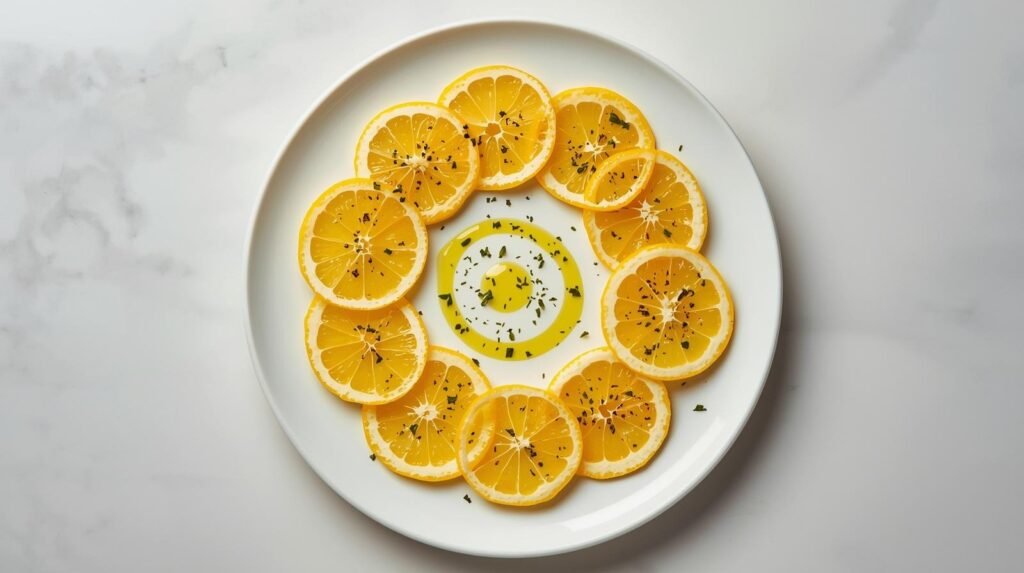
Start with a firm citron and slice it thinly into paper-thin rounds. Place the thin slices citron plate style and arrange the sliced citron plate neatly so the fruit forms a soft wreath pattern.
Once the bed ofthinly sliced citron is ready, drizzle quality extra virgin olive oil gently over the top. I like drizzling olive oil, sliced citrons slowly, so the olive oil spreads evenly across the fruit.
Next comes the seasoning. Add a sprinkle of salt, freshly ground pepper, and a little more freshly ground pepper again for extra aroma. This sprinkled salt, pepper, citron salad-style seasoning really brings out the citrus brightness.
For garnish, finish the plate dressing with herb seasoning with herbs. A light sprinkling of fresh mint, parsley peperoncino variation adds color and warmth, turning the dish into a delicate salad.
Sometimes I add a richer touch by placing paper-thin shavings of aged Parmigiano Reggiano cheese on top. This small addition changes the food balance and gives the citron salad a deeper savory flavor.
Finally, garnish the plate with extra herbs and a last thread of olive oil, pepper, and parsley. The result is a vibrant salad preparation where sliced citrons, herbs, and cheese create a simple but elegant food experience.
A Fresh Citron and Fennel Salad Idea
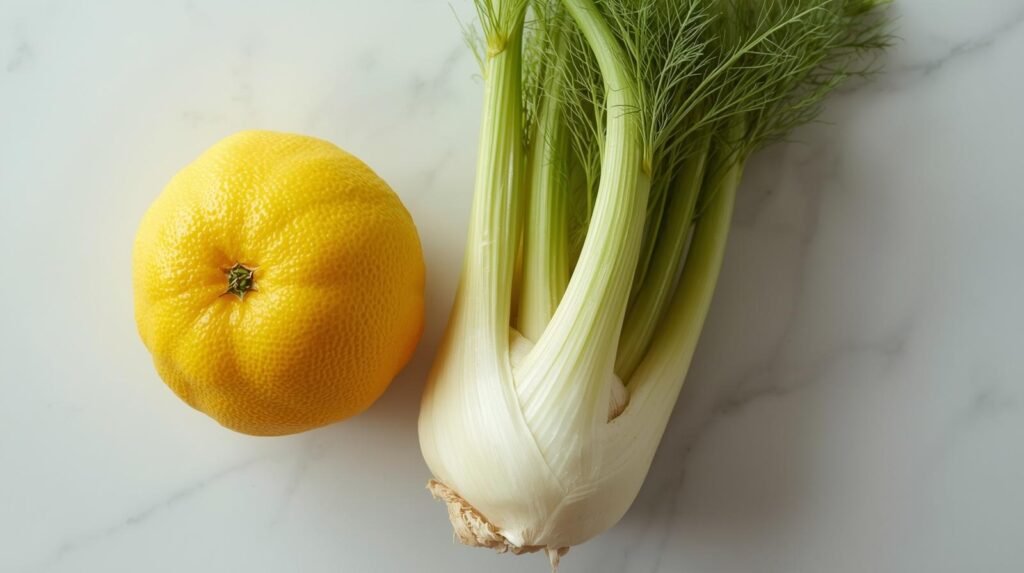
I love how a simple salad can show the real character of a rare citrus fruit. The next time you come across fresh citron, notice how unique this ingredient feels in the kitchen. In my cooking experience, it adds a bright flavor that lifts everyday food.
One of my favorite ways to enjoy fresh citron is a light citron fennel salad. I sometimes add orange beside citron because the sweet note balances the sharp citrus taste. If you try it once, it can become a fantastic variation in your regular culinary preparation.
Start with a crisp fennel bulb and slices of citron arranged on a clean plate. This simple base for a citron fennel salad highlights the natural beauty of the fruit. Good cooking often begins with respecting the ingredient.
I like to toss thinly sliced triangles, citron sticks, wisps of fennel together gently. Then drizzle olive oil, sprinkle salt and pepper, and let the natural flavor stand out. The scent of citrus and fennel fills the kitchen instantly.
Finish the salad by adding garnish, fennel fronds, and a few fresh herbs. A light salad dressing works best so the food keeps its clean taste. Simple culinary preparation often makes the strongest flavor.
For extra creativity, try some variation ideas. You can top paper-thin shavings of Parmigiano Reggiano cheese for a rich bite. The salty edge pairs beautifully with the sharp citron.
Another option is to substitute fennel, thinly sliced zucchini, and raw artichokes. I sometimes finish the plate with sprinkled mint to brighten the citrus fruit notes. Small changes like this keep the salad exciting while honoring the core ingredient.
Serving Ideas with Citron
Roasted Branzino Pairing
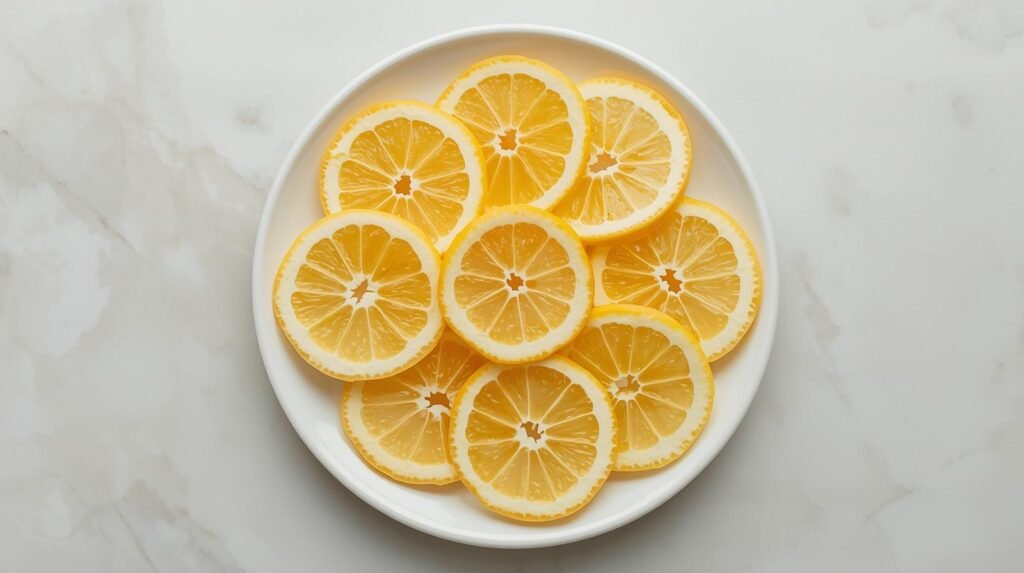
One of my favorite ways to enjoy citron notes is beside roasted branzino, a classic Mediterranean sea bass fish loved in seafood cooking. The gentle roasting keeps the dish light while the citron-like brightness sharpens the flavor.
During cooking, I rub the ingredient with olive oil in the kitchen and follow a simple recipe rooted in culinary tradition. The preparation keeps the food natural, letting the flavor of the fish stand out.
Grilled Sea Bream with Citrus Notes

Another pairing that works beautifully is grilled sea bream, also called orata, a well-known Mediterranean seafood fish. The smoky grilled dish balances the bright citrus character that citron brings.
From my own kitchen experience, the key is simple cooking and clean culinary preparation. With the right ingredient balance and a thoughtful recipe, the food develops a deep flavor without overpowering the orata.
Sicilian Lemon Granita on the Side
For a refreshing contrast, I often serve Sicilian lemon granita, a famous treat from Sicily in Italian dessert culture. This frozen citrus dessert blends crushed ice, bright lemon, and a little sweet touch.
The result is a refreshing drink-like dessert that cools the palate after seafood. In culinary preparation, a simple recipe turns basic food into something vibrant, highlighting pure flavor.
A Simple Fresh Citron Dessert Idea
A quick dessert idea I often share starts with fresh citron. About an hour before serving, wash and dry it well, then cut the fruit crosswise into round slices. Aim for quarter-inch, half-inch, ½cm, or even 1cm thickness depending on your preference.
Next, arrange the slices in a single layer on a serving dish. This simple preparation lets the natural character of the citrus fruit stand out, almost like a minimalist recipe I learned while experimenting with seasonal produce.
Lightly squeeze lemon juice over the top; this step is optional, but it deepens the bright flavor. When the surface looks slightly saturated, gently sprinkle sugar across the slices to balance the sharp taste.
Let the plate sit in the refrigerator until serving time. The resting moment softens the citron, blending the sweet notes and citrus edge into a refreshing dessert that feels simple yet surprisingly elegant.
FAQ’s
Q. What is citron?
Ans: Citron is a fragrant citrus fruit known for its thick peel and aromatic rind, which are often used in cooking more than the pulp.
Q. Is citron the same as lemon?
Ans: No. Lemons actually descended from citrons, but citrons are larger and have a much thicker rind and pith.
Q. What does citron taste like?
Ans: Citron has a mild citrus flavor that is less sour than lemon, with a fragrant peel and slightly sweet pith.
Q. Can you eat citron raw?
Ans: Yes, citron can be eaten raw, usually thinly sliced and seasoned with olive oil, salt, and pepper.
Q. What part of the citron is edible?
Ans: Most parts are edible, including the peel, pith, and a small amount of pulp in the center.
Q. How is citron commonly used in cooking?
Ans: Citron is often candied, turned into jams or syrups, used in salads, or added to desserts and baked goods.
Q. What is Buddha’s hand citron?
Ans: Buddha’s hand is a citron variety with finger-like sections, little pulp, and a very aromatic peel.
Q. What is citron carpaccio?
Ans: Citron carpaccio is a simple dish made with very thin slices of citron topped with olive oil, salt, pepper, herbs, and sometimes Parmesan cheese.
Q. What foods pair well with citron?
Ans: Citron pairs well with seafood like branzino or sea bream, fresh salads, fennel, herbs, and light desserts.
Q. Can citron be used in desserts?
Ans: Yes, citron works well in desserts such as candied citron, cakes like panettone, syrups, and simple chilled citrus plates with sugar.