
Can you use basil in Spanish food? Explore herb pairings, Spanish names, fresh recipe ideas, and terrace-growing tips for your next meal.
How can you use basil in Spanish cooking? Add basil to tomato salads, sauces, or egg dishes as an optional variation, and add it late in cooking to preserve its aroma.
The Herbs Behind Spain’s Regional Flavors
Spanish cooking uses herbs to give familiar ingredients a distinctive character. Parsley and rosemary are among the top herbs associated with Spanish food, while garlic—an allium rather than a leafy herb—is used extensively in traditional Spanish recipes. These seasonings help explain the aromatic character of many savory Spanish dishes.
Spain is a geographically diverse country, so exploring different regions, from the Mediterranean coast to inland areas, offers a useful starting point for understanding its dishes. Rather than treating each region as identical, discover the top herbs used in Spanish cooking through individual recipes: parsley in a sauce, rosemary alongside roasted ingredients, or garlic in a vegetable base. Spain’s official tourism guide identifies garlic, onion, and tomato as classic ingredients of sofrito.
For your own kitchen, try basil when you want an aromatic twist in modern Spanish recipes. Its sweet flavor and peppery flavor can bring a different emphasis to tomato-based dishes; university extension guidance describes its spicy character and suitability for tomatoes. Start with a small amount of fresh herbs, taste, and decide whether the addition suits the dish.
When choosing between fresh and dried herbs, consider dried herbs for a different preparation rather than assuming they give identical results.
A useful way to explore modern Spanish cuisine is to compare a traditional approach with your own variation: keep the same vegetable base, then change the seasoning. Whether your inspiration comes from restaurants or kitchens around Spain, build a Spanish kitchen around recipes you enjoy, with staples such as a head of garlic and local olive oil ready for a tasty experiment.
Stock your kitchen with herbs, olive oil, and other staples using our Mediterranean diet pantry list
Essential Spanish Herbs and Spices
A good meal starts with choosing the right flavor. Use this quick guide to match the herbs already covered—and paprika, saffron, fennel, and chives—to your next dish. The table combines traditional uses with serving ideas you can try at home; every seasoning does not belong in every regional recipe.
Parsley (Perejil): The Quintessential Everyday Spanish Herb
Give fresh herbs a practical role in your Spanish kitchen: use parsley in the food itself, as well as a garnish. When recreating classic recipes or experimenting with modern versions, start with a small amount and adjust after tasting. Parsley pairs well with seafood, tomatoes, beans, and vegetables, giving you several ways to explore Spanish cuisine through everyday dishes. Here is a quick guide to its flavor and suggested uses.
| Feature | Details |
| Spanish name | Perejil |
| Flavour | Fresh, slightly peppery. |
| Sauce | Try parsley as a key ingredient in a parsley-based mojo verde, one of the green sauces associated with the Canary Islands. |
| Seafood ideas | Use chopped parsley to finish gambas al ajillo (garlic shrimp), or try pan-fried squid with parsley and garlic sauce. These are serving suggestions based on parsley’s compatibility with seafood. |
| Vegetable ideas | Try Spanish garlic zucchini with shaved cheese as one of your parsley-rich dishes; parsley also pairs with summer squash. |
| Other serving ideas | Consider a small parsley garnish for boquerones (marinated anchovies), or sprinkle it over stews just before serving. |
| Nutrients | Parsley provides vitamins A, C, K; the amount you receive depends on your portion. |
Use these practical tips when buying and preparing your herbs:
- Look for parsley at supermarkets or fresh food markets, and ask whether nearby butchers or small stores stock it.
- Plan your order around your meals instead of automatically buying huge bunches. Ask about small portions rather than expecting a handful for free.
- Wash parsley under running water, pat it dry, and chop before use.
- Add it during the last few minutes of cooking or after serving to help preserve its flavour. This also works for basil.
- Keep leftover stems in about an inch of water, loosely cover with a plastic bag, and replace cloudy water.
For health benefits, focus on specific nutrients. Parsley contains antioxidants, including vitamin C, and provides vitamin K, which contributes to normal bone health. These facts should not be expanded into promises that a garnish treats a condition.
Thyme (Tomillo): The Fragrant Herb with a Spanish Twist
For stews and slow-cooked meats, Thyme brings an earthy flavor that holds up during cooking. This versatile herb works in soups, poultry dishes, and casseroles, making it a useful option when exploring Spanish cuisine. Unlike basil, which benefits from being added late, thyme can withstand longer cooking times. (Illinois) Use the following pairings as ideas to try, rather than ingredients required in every traditional recipe.
| Feature | Details |
| Spanish name | Tomillo |
| Flavor | Earthy and aromatic, with a floral note that varies by variety. (Illinois) |
| Fresh or dried | Both forms can be used in cooking. (Illinois) |
| Meat dishes | Try a little in Pollo al Ajillo (garlic chicken), building on thyme’s suitability for poultry. (Illinois) |
| Stews | Consider a small addition to your version of cocido madrileño; thyme tolerates slow cooking well. (Illinois) |
| Seafood ideas | If experimenting with Spanish seafood stew or fideuà with seafood, start with a small amount and taste before adding more. |
- Start small: Introduce a little thyme first, especially when adapting an unfamiliar recipe.
- Add it while the dish cooks so its flavour has time to develop; it withstands heat better than delicate herbs. (Illinois)
- Strip the leaves from woody stems before chopping, or remove whole sprigs before serving. (Illinois)
Health Benefits: Claims about respiratory health need context. The European Medicines Agency recognises certain thyme medicines for traditional use in chesty coughs associated with colds, while noting that clinical evidence is insufficient for firm conclusions. That assessment concerns medicinal preparations and does not establish that thyme added to dinner will relieve respiratory issues. (European Medicines Agency (EMA))
Bay Leaf (Hoja de Laurel)
Add bay leaves while a pot simmers to introduce a subtle background flavor to broths, stews, and casseroles. Bay works with meat, fish, and poultry, making it a useful herb for exploring Spanish cooking. (Illinois) The herbs-spices divide can make its classification confusing: bay is a leaf herb, although cooks often use the dried leaf like a spice. (en.wikipedia.org) Start with the dish you want to cook, then decide whether bay suits your version.
| Feature | Details |
| Spanish name | Laurel; an individual bay leaf is a hoja de laurel. |
| Flavor | Subtle and aromatic during cooking; descriptions may include floral notes or an earthy flavor. (en.wikipedia.org) |
| Best use | Slow-cooked dishes with enough liquid for the leaf to infuse, including soups, broths, and stews |
| Asturian fabada | Treat bay as an optional variation. Spain’s official tourism recipe for fabada does not list it as an ingredient. (spain.info) |
| Vegetable idea | Try a leaf in Spanish white bean stew (vegan), then taste before adding more seasoning. |
| Fish idea | Consider adding a leaf to the cooking liquid of an oven-baked fish casserole with romesco sauce. This is a serving suggestion based on bay’s suitability for fish dishes. |
- Start small: One leaf per pot is a useful starting point; adjust to the recipe and your taste.
- Add the bay near the beginning of cooking so it has time to flavour the liquid.
- Remove whole leaves before serving. They remain tough and can present a choking hazard.
Health Benefits: Researchers have investigated bay leaf extracts for anti-inflammatory effects and antimicrobial properties in laboratory studies. These findings do not establish that a leaf simmered in dinner improves digestion or helps reduce inflammation in people. (PMC) Likewise, the presence of vitamins and minerals in the leaf—including vitamins A and C and calcium—should not be presented as the amount supplied by a strained broth, especially when the leaf is removed.
Rosemary (Romero): A Woody Herb for Roasts
Choose Rosemary when you want a strong herbal flavor that can stand up to cooking. Its pungent, resinous character means a little goes a long way with meats and vegetables. (Illinois) This Mediterranean herb is native to Spain, giving it a botanical connection to the country as well as a place in the kitchen. For your next meal, try one of these rosemary recipes as a variation rather than assuming every traditional version includes it.
| Feature | Details |
| Spanish name | Romero |
| Flavor | Woody, strong, and resinous; use sparingly to avoid overpowering other ingredients. (Illinois) |
| Meat pairing ideas | Try a little with lamb or chicken, including garlic rosemary chicken thighs. |
| Rice dish idea | Add a small sprig to your version of one-pot Spanish chicken and rice, then remove the stem before serving. |
| Plant-based meals | Try rosemary with roasted vegetables or as an optional addition to poor man’s potatoes (vegan). Rosemary is also a useful seasoning for roasted potatoes. (Illinois) |
| Cooking style | It suits oven-baked dishes and other hot meals because robust herbs tolerate roasting, braising, and grilling. (Illinois) |
- Start small: Add a little, taste when appropriate, and adjust so the result stays balanced.
- Strip leaves from woody stems before chopping them into food.
- Add rosemary during cooking; it tolerates heat better than delicate herbs such as basil.
- When substituting, use approximately one tablespoon of fresh rosemary for one teaspoon of dried rosemary.
For help measuring small amounts, see our guide to how many teaspoons are in a tablespoon
Health Benefits: Claims about digestion and circulation need to distinguish food from medicine. The European Medicines Agency recognizes traditional uses of specified rosemary leaf preparations for certain digestive symptoms and, in bath preparations, minor peripheral circulatory complaints. These uses are based on longstanding practice and do not establish that rosemary in a meal produces the same effects. (European Medicines Agency (EMA))
Mint (Menta): Fresh Flavor for Drinks and Light Meals
For lighter meals and refreshing drinks during the warmer months, consider Mint as a finishing ingredient. Its leaves work in salads, desserts, and drinks, so there is no need to reserve them only for garnish. (Illinois) When exploring Spanish cooking, use mint to experiment with freshness in the recipes below. These are suggested adaptations, rather than a claim that every dish traditionally includes it.
| Feature | Details |
| Spanish name | Menta |
| Flavor | Cool and refreshing; mint varieties differ in strength and character. (Illinois) |
| Drinks and cocktails | Try a few leaves in iced tea, citrus drinks, or a cocktail garnish. Mint can flavor drinks as well as decorate them. (Illinois) |
| Tinto de verano | Mint is an optional garnish. Spain’s official tourism website describes the drink as red wine mixed with fizzy lemonade, without listing mint as a core ingredient. (spain.info) |
| Savory recipe idea | Try a small mint garnish on cod ceviche with cucumber and grapefruit. Treat this as a flavor suggestion. |
| Dessert recipe idea | Finish no-bake cheesecake with avocado and lime with a few mint leaves for a refreshing taste. This is another optional adaptation. |
- Start small: Taste before adding more, especially when working with delicate ingredients.
- Tear the leaves shortly before adding them to drinks to release their aroma.
- For another serving option, freeze mint leaves in ice cubes for chilled drinks.
Health Benefits: Mint’s reputation for soothing properties in the digestive system needs careful wording. Statements that ordinary mint leaves “aid digestion”, “calm the stomach”, or “relieve indigestion” go beyond the available evidence for peppermint leaf. Some evidence suggests that specific peppermint oil capsules may reduce symptoms of irritable bowel syndrome (IBS), but this does not establish the same benefit from a garnish or mint drink. Adding mint for flavor also does not, by itself, establish a recipe’s overall healthiness.
Oregano (Orégano): The Mediterranean Herb That Packs a Punch
Start with tomato-based dishes when finding a place for oregano in your kitchen. Its bold flavor works in sauces, roasted vegetables, and meat dishes, making it useful for exploring Mediterranean meals. For the Spanish/Mediterranean recipes below, treat oregano as a seasoning you can adjust to taste rather than an ingredient required in every traditional version.
| Feature | Details |
| Spanish name | Orégano |
| Flavor | Warm, peppery, and assertive; varieties differ in strength. (Yard and Garden) |
| Tomato-based sauces | Stir a little into a simmering tomato sauce. Oregano is commonly used with tomatoes. (Illinois) |
| Pisto | Try oregano as an optional addition to your version of this vegetable dish. |
| Marinades and grilled meats | Consider adding a little oregano to your preferred meat marinade. |
| Baked dishes | Recipe ideas include spicy Mediterranean chicken thighs; roast chicken thighs with red wine, tomato, and herbs; and lemon and herb chicken thighs. These are suggested variations. |
Try oregano in our Mediterranean ground beef stir-fry, which also uses smoked paprika and finishes with parsley.
- Start small: Add a little oregano, then adjust when you can safely taste the dish.
- Compare fresh and dried oregano in separate batches to find the strength you prefer.
- Keep the seasoning balanced: a tasty tomato dish should still let the tomatoes and other ingredients come through.
Health Benefits: Research has examined oregano oils for antioxidant activity and antibacterial properties, sometimes written as “anti-bacterial properties.” Laboratory findings do not establish that a culinary portion treats infections. (pubmed.ncbi.nlm.nih.gov) A small study of a specific Origanum onites distillate reported improvements in blood lipid measurements, but it does not demonstrate that oregano sprinkled over food will lower cholesterol. (pubmed.ncbi.nlm.nih.gov) Claims about digestive health also need stronger clinical support before being presented as established benefits of ordinary food portions.
Basil (Albahaca): A Fresh Touch for Tomatoes and Figs
Start with Basil and ripe tomatoes when trying fresh combinations for your table. Basil’s slightly sweet aroma complements tomatoes, making this pairing a useful starting point for modern recipes. (Illinois) For this Spanish cuisine guide, the dishes below are suggested adaptations rather than evidence that basil is a traditional Spanish herb in every region. The description “The Herb Borrowed From Italy” also needs care: an association with Italian cuisine does not establish botanical origin, and Kew lists basil’s native range outside Italy. (Kew Science)
| Feature | Details |
| Spanish name | Albahaca |
| Flavor | Sweet and aromatic, with flavor varying by variety. (Illinois) |
| Tomato recipe idea | Try tomato burrata salad with basil and garlic dressing. This suggested combination builds on the established tomato-and-basil pairing. (Illinois) |
| Fig recipe idea | Add a few torn basil leaves to grilled fresh figs with goat’s cheese, honey, and toasted walnuts. Treat this as an optional variation. |
| Seasonal choice | When fresh figs are in season locally, consider this tasty fruit for a sweet-and-savory dish. |
| Other uses | Basil can flavor tomato dishes, soups, fish, and egg dishes. (Illinois) |
- Add late: Stir basil into hot dishes near the end of cooking to help preserve its aroma.
- Wash the leaves under running water and gently pat them dry before use.
- Start with a few leaves in these tasty recipes, then adjust after tasting.
Health Benefits
Basil contains compounds investigated as antioxidants, while studies of its extracts and essential oils have examined antibacterial and anti-inflammatory activity. These laboratory findings do not establish that ordinary servings provide the same effects in people. (pubmed.ncbi.nlm.nih.gov) The sources checked here do not justify stating that a basil garnish supports liver health or aids digestion.
| Herb or Spice | Spanish Name | Flavor | Dishes & Uses |
| Parsley | Perejil | Fresh and mildly peppery | Garlic sauce, seafood, vegetables, and a finishing garnish. |
| Thyme | Tomillo | Earthy and aromatic | Chicken, meat stews, and slow-cooked dishes. |
| Bay leaves | Laurel / Hoja de laurel | Subtle and herbal | Bean stews, broths, and fish casseroles; remove whole leaves before serving. |
| Rosemary | Romero | Strong, woody, and resinous | Lamb, chicken, roasted potatoes, and vegetables. |
| Mint | Menta | Cool and refreshing | Salads, desserts, and chilled drinks; an optional garnish for tinto de verano.) |
| Oregano | Orégano | Bold and peppery | Tomato sauces, meat marinades, and baked vegetables; try a little in your version of pisto. |
| Basil | Albahaca | Sweet and aromatic | Tomato salads, dressings, and fresh finishing touches in modern recipe variations. |
| Paprika — spice | Pimentón | Sweet or hot; smoked varieties add smokiness | Chorizo, paprika-seasoned potatoes, and pulpo a la gallega; the variety affects the result. |
| Saffron — spice | Azafrán | Distinctive and aromatic | Valencian paella and other rice dishes; Spain’s official paella recipe includes saffron. |
| Fennel | Hinojo | Sweet, with an anise-like flavor | Try the fronds with fish or the bulb in soups and vegetable dishes. Leaves, bulbs, and seeds offer different cooking uses. |
| Chives | Cebollino | Mild and onion-like | Sprinkle over potato omelets and salads, or stir into dressings and sauces. |
Basil in Spanish Cooking
Try fresh leaves of basil when you want to give familiar ingredients a modern twist. Its sweet aroma complements tomatoes, while its culinary uses extend to fish and sauces. (extension.illinois.edu) For Mediterranean-influenced dishes in your kitchen, start with the serving ideas below. Think of them as ways to adapt classic dishes rather than claims about how traditional Spanish dishes must be prepared.
| Dish or Ingredient | Suggested Way to Use Basil |
| Salads | Tear a few leaves over tomatoes with olive oil for a fresh note. |
| Seafood | Try a little chopped basil over cooked fish just before serving. |
| Sauces | Stir basil into tomato sauce near the end of cooking. |
| Traditional Spanish tapa | For a variation on tomato-topped bread, add a small basil leaf. |
| Bold flavors | Start with a little basil, taste, and adjust so the other ingredients remain noticeable. |
For another serving idea, try a basil or parsley vinaigrette with our Mediterranean bowl recipe
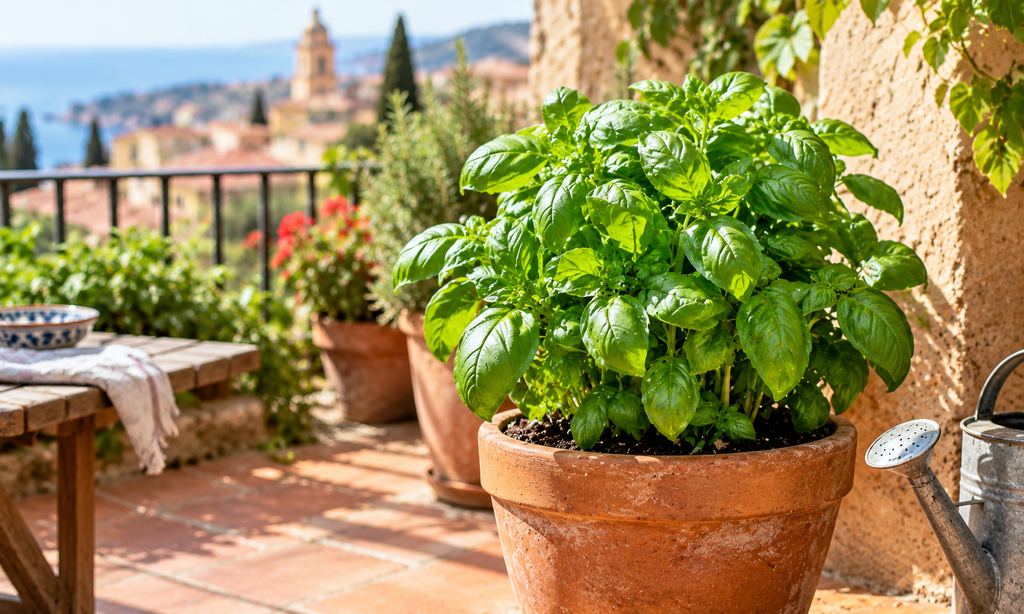
You can also grow at home and pick what you need for dinner. Basil suits containers on a sunny terrace or balcony, making it a practical herb to try if you are new to gardening. It needs warmth, sunlight, fertile soil, and regular watering; cold conditions can damage its leaves.
- Choose a sunny position and a container that allows excess water to drain.
- Use well-drained soil or a suitable potting mix, and check moisture regularly.
- Pinch growing tips to encourage a bushier plant, and remove flower buds as they appear.
- Add basil late in cooking to help preserve its aroma.
How to Grow Basil on Your Terrace
A sunny terrace can put fresh basil within easy reach of your kitchen. To grow basil in a pot, focus on light, drainage, moisture, and regular pruning. Follow these practical tips:
- Choose a sunny spot: Place basil where it receives at least 6 hours of direct sunlight daily. (University of Maryland Extension)
- Use well-draining soil: Choose a suitable potting mix and a pot with drainage holes so excess water can escape and help prevent waterlogging. (UMN Extension)
- Water regularly: Keep the soil moist but not soggy. Check moisture often, since containers dry out faster than garden beds, and adjust watering to conditions. (UMN Extension)
- Pinch and prune: Rather than removing only individual top leaves, focus on pinching back the growing stem tips to encourage bushier growth. (extension.illinois.edu)
Creative Spanish Dishes with Basil
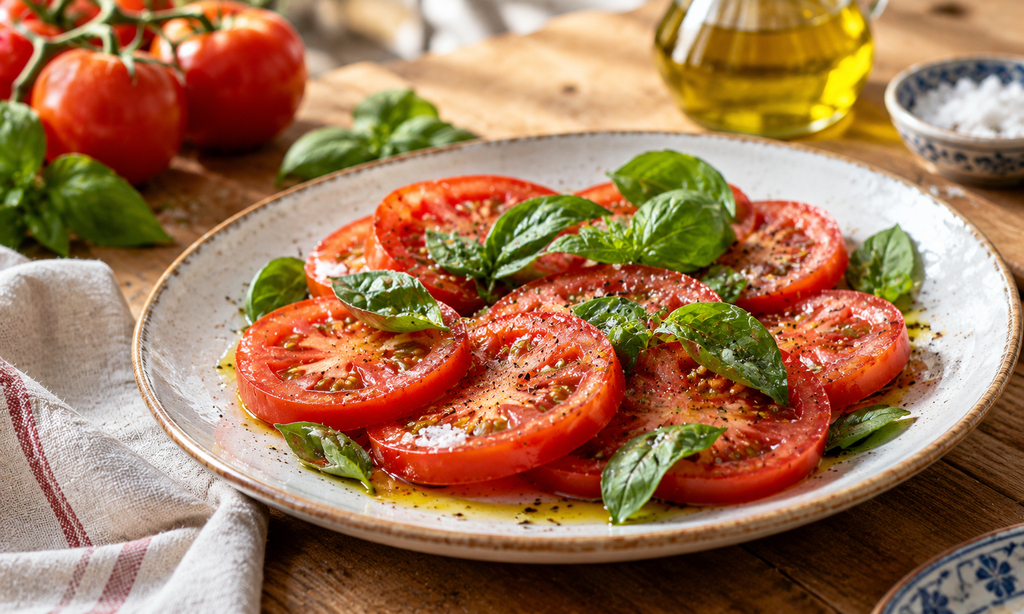
Start with a fresh salad, then explore a soup or an omelette. Basil pairs well with tomatoes and can also flavor egg dishes, giving you several simple ways to experiment in your kitchen. (extension.illinois.edu) These ideas adapt Spanish dishes for modern cuisine; basil is an optional addition rather than a requirement of traditional Spanish cooking.
| Dish | How to Add Basil |
| Ensalada de Tomate y Albahaca Tomato and Basil Salad | Combine ripe Spanish tomatoes with fresh basil leaves and a drizzle of high-quality olive oil. Alternatively, blend the leaves with olive oil into a sauce for this refreshing dish. |
| Gazpacho with Basil | Blend a little basil into gazpacho or add torn leaves before serving for a fragrant twist on this traditional Spanish cold soup. The basil is a suggested variation on the classic preparation. |
| Pisto with Basil | Stir in a few leaves near the end for extra aroma. Pisto is a Spanish vegetable stew often compared with ratatouille, though the dishes have their own traditions. (en.wikipedia.org) |
| Spanish Omelette with basil | Try the wild asparagus version in your linked recipe, which lists fresh basil as optional. |
For an Italian-style tomato-and-basil dish, explore our rigatoni pomodoro recipe
Why Use Basil?
Basil offers an easy way to try a new flavor without changing every part of a meal. Experiment with a few leaves in salads, gazpacho, or tapas, and let your taste guide the amount. Its uses in tomato, fish, and egg dishes make it a versatile herb for these modern Spanish dishes. Growing your own basil at home also puts leaves within reach: it suits sunny containers on a patio or balcony with suitable care.
Find Your Preferred Basil Balance
Try a simple comparison before changing an entire recipe. Divide a tomato salad into two small portions and add torn basil to just one. Taste both with the same dressing. This gives you a practical way to decide whether you prefer the addition without changing several ingredients at once.
Let cooking time guide your choice of herb. Basil works well as a late addition, while thyme and rosemary tolerate longer cooking. For a dish that needs both a cooked herbal flavor and a fresh finish, try a small amount of a sturdy herb during cooking and basil just before serving.
Make your preferred version easy to repeat. Note the basil variety, whether the leaves were fresh or dried, roughly how much you used, and when you added them. A specific description such as “tomato salad with fresh basil” also tells readers more than a broad promise of authentic flavor.
Frequently Asked Questions
Yes. Add a little basil as an optional variation, then taste before adding more. It changes the flavor of the classic soup.
Add fresh basil near the end of cooking or just before serving to help preserve its aroma.
Yes. Choose a sunny position with at least six hours of direct sunlight daily, use a pot with drainage holes, and keep the soil moist without waterlogging it.
Yes. Remove whole bay leaves before serving because they remain tough and can present a choking hazard.