
The easiest way to start is with steady heat and simple roasting. Good hazelnuts change fast as they become roasted, crisp, and crunchy. This gentle step enhances their distinct hazelnut flavor in a very natural way. You will also notice the rich fragrance before you even taste them.
After that, I like to move them into an olive wood bowl for a minute. That small pause helps the outer layer loosen without extra work. The thin, papery brown coating can taste slightly bitter when left on. That is why many people remove the skins while the nuts are still warm.
Once they cool a little, the peel step becomes much easier to handle. In my kitchen, they come off easily when I rub the nuts in a towel. This keeps the texture clean and lets the true taste stand out more clearly.
A short recipe should keep the method practical from start to finish. The basic order shown below stays easy: heat, rest, rub, and use. The best part is how deliciously simple the whole method feels.
Let’s Talk About the Topic:
My Favourite ways to use Roasted Hazelnuts
After roasting, I most often use hazelnuts in simple and flexible ways. I like them peeled when I toss them into salads or just keep popping them in my mouth. That cleaner finish feels preferred when I want a neat bite and a softer look. It also works well when I need a lighter and less rough result.
In baking, roasted nuts are perfect for making hazelnut flour and fine flours. I use them in baked goods, rich sweets, and many other treats at home. They fit naturally into cakes, scones, cookies, and crisp meringues with ease. The taste stays full, but the color looks more colored and warmer than plain mixes.
For cold desserts, they pair beautifully with ice and cream in many forms. I sometimes use the flour to create a base for smooth frozen desserts. The same nuts can also be turned into butter, which is great to spread or to spoon. When I want more bite, I leave them whole or use them crushed.
In savory cooking, they bring depth to savory plates and smooth sauces. One of my regular choices is Romesco sauce, where the nuts really add body. They also help with texture, especially when used as a final garnish on warm dishes. That balance of crunch and richness makes them useful far beyond sweet recipes.
I also use them over desserts when I want something simple but polished. A few pieces can enjoy a second role as a topping and finish at the same time. From everyday snacks to careful baking, these nuts stay easy to use and adapt. That is why they remain one of my most reliable pantry ingredients.
How to Roast Hazelnuts?
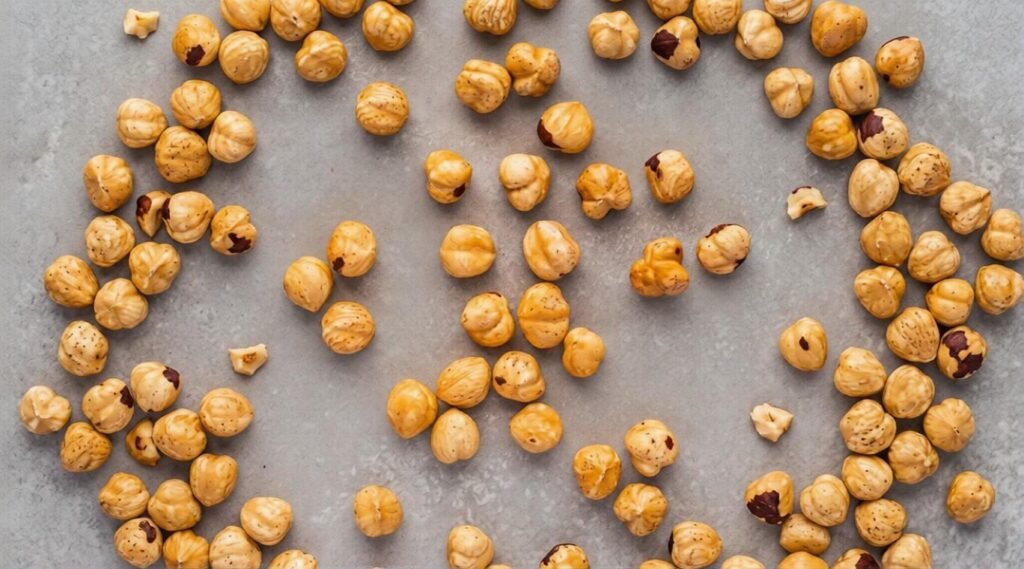
After the first step, this is the easiest part. A home oven is the most reliable way to roast hazelnuts. It uses dry heat, saves time, and requires less watching. I use this method often when I want a clean, even flavor.
You can roast raw, unpeeled, blanched, or peeled nuts. Spread each hazelnut in one layer so the heat can work evenly. Keep a close eye on them near the end. They can turn brown in a split second.
That quick change matters more when the nuts are for flour. A properly roasted batch should smell rich and taste full, not bitter. A skillet-roast can also work, but it needs more care. It is more hands-on and better for a small batch.
For that method, use a skillet on the stove and stir frequently. The nuts can burn fast, so I only prefer them when I need speed. A stainless steel pan or a nonstick pan can both work well. Still, I recommend the oven because it feels easier.
Let’s Talk About “The Recipe of Roast Hazelnuts”
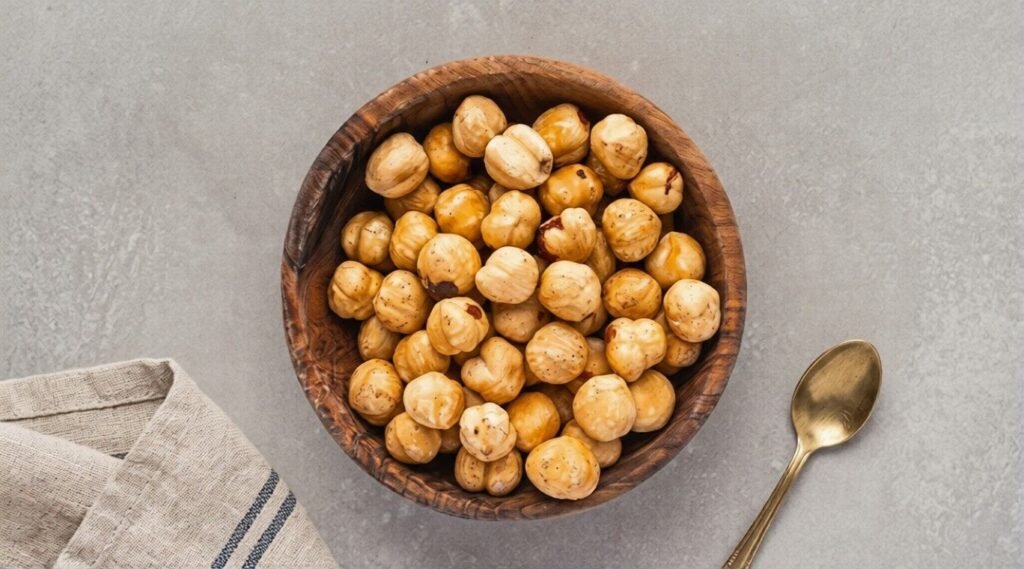
Good roasting changes hazelnuts in a very simple but useful way. With the right heat, they turn crisp and crunchy without much effort. This step also enhances their distinct hazelnut flavor in a fuller way. From my kitchen experience, this is where the recipe really begins to work.
What I like most is how the heat also helps the outer layer loosen. That thin, papery cover can taste slightly bitter if left on too long. Once warmed well, the skins start to pull away with less resistance. That makes the nuts cleaner in taste and smoother in texture.
After roasting, the peel step becomes much more manageable at home. In practice, they come off easily when the nuts are still a little warm. This small detail improves both texture and taste in a very noticeable way. It is one of those steps that looks minor but changes the final result a lot.
For me, this is why the method stays so reliable in everyday cooking. You are not only adding color and crunch, but building a better base flavor. That balance of texture and taste is what makes roasted nuts so useful.
Tools and Ingredients
For this part of the method, I keep the setup simple and practical. The main thing is Tools: rimmed sheet pan for safe and even roasting. In my experience, this pan gives better control and less mess. That is why it stays first on my list for this step.
Next come the ingredients. You only need 1 cup of hazelnuts for a small and easy batch. I usually start with whole nuts because they roast evenly. They should also be shelled before they go into the pan.
At this stage, you can choose unpeeled nuts or ready-peeled ones. Both can work well, depending on the texture you want later. If you want to save a little prep time, blanched nuts are also useful. That choice makes the process feel easier from the start.
This section matters because good tools and the right nut form shape the result. Once these basics are ready, the roasting part feels much more natural. I use this same setup at home because it is clear, reliable, and easy to repeat.
Instructions
For this part, start by preheating the oven to 250 °F. Then spread the hazelnuts in a single layer on a rimmed baking sheet. This is the most even way to roast and toast them at home. In my experience, this setup gives better control from the start.
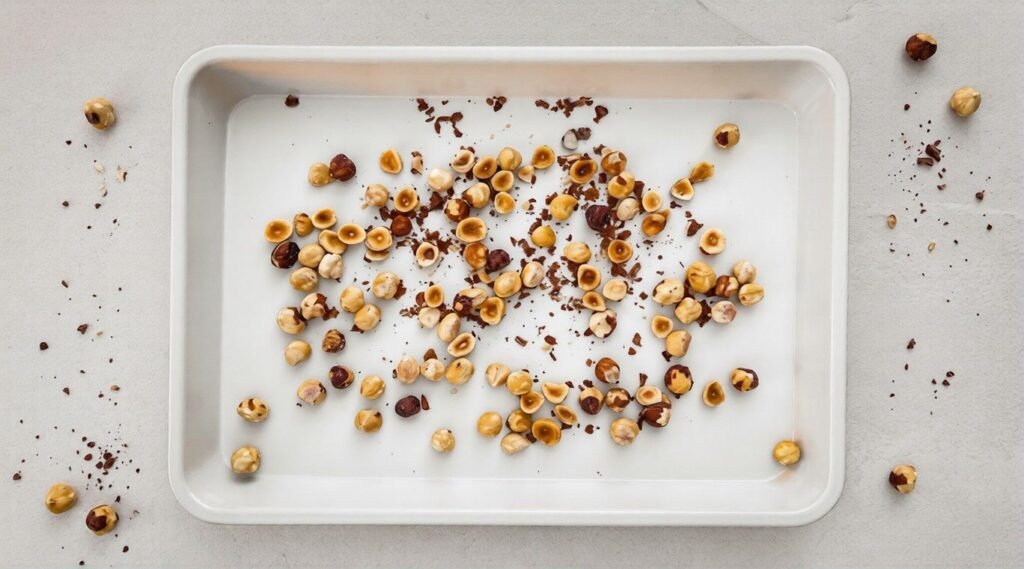
As they heat, the nuts begin to smell rich and warm. After about 10 minutes, the skins look blistered and loose. Keep an eye on them, with light stirring, so they do not over-brown. You want them lightly golden and crisp, not dark or dry.
If you want to remove the outer layer, that step is optional. Immediately gather the warm nuts in a clean kitchen cloth. Then rub them together to release the brown papery skin. Some pieces may remain stubbornly attached, and that is normal.
Not all of the skins will come off, and rarely does 100% clear away. Once the nuts cool, they become more difficult to peel. So it is always easier to do this while they are still warm. After that, let them cool completely before using or storing them.
Notes
For notes, I treat heat as flexible, not fixed. The oven temperature of 250℉ or 120℃ is not set in stone. You can also try 400℉ or 200℃ for 5-8 minutes. Or use 325-350℉ or 160-180℃ for a longer roast.
It is smart to experiment and find what feels best in your kitchen. Keep an eye on the nuts and stir at least once. I always jot down how long it took for the next time. That habit makes repeat baking much easier.
For roasting hazelnut flour, start with raw flour if your recipe needs it. You can roast it to enhance the flavor, following the same method as nuts. Still, keep a closer eye on it because it toasts more quickly. That is especially true when working with whole hazelnuts and flour side by side.
For peeling hazelnuts, a pinch of patience helps more than force. A paper lunch sack or paper towels can help, though they may rip after a little while from friction. If I use a skillet, I find peeled hazelnuts the easiest for skillet-roasting. I usually recommend a small stainless steel pan for better control.
You can dry-roast them, or use a little olive oil for a thin coat.
FAQ’s
Q. How do you roast hazelnuts the easy way?
Ans: Preheat the oven, spread the hazelnuts in one layer, roast until fragrant, then let them rest and rub off the skins if desired.
Q. What temperature is best for roasting hazelnuts?
Ans: A gentle oven temperature like 250°F works well, though higher temperatures can also be used for a shorter time.
Q. How long does it take to roast hazelnuts?
Ans: It usually takes about 10 minutes at 250°F, but timing can vary depending on your oven.
Q. Do I need to remove the skins from hazelnuts?
Ans: No, it is optional, but removing the skins can reduce bitterness and improve texture.
Q. How can I peel roasted hazelnuts easily?
Ans: While the nuts are still warm, rub them in a clean kitchen towel to loosen and remove the papery skins.
Q. Can I roast peeled or blanched hazelnuts too?
Ans: Yes, raw, peeled, unpeeled, and blanched hazelnuts can all be roasted successfully.
Q. What is the best tool for roasting hazelnuts?
Ans: A rimmed baking sheet is the most practical and reliable tool for even roasting.
Q. Can I roast hazelnuts in a skillet instead of an oven?
Ans: Yes, but skillet roasting needs more attention because the nuts can burn quickly.
Q. How can roasted hazelnuts be used in recipes?
Ans: They are great in salads, cakes, cookies, sauces, desserts, and even as a crunchy topping.
Q. Can I use a little olive oil when roasting hazelnuts?
Ans: Yes, you can dry-roast them or lightly coat them with olive oil for extra flavor.