
At home, I learned why Roman Artichokes matter. In Italy, it shows Italian cooking at its simple, flavorful, hallmark best.
One artichoke with an easy-to-follow recipe can really elevate everyday meals in quiet ways. I make it in winter and springtime when good produce feels especially welcome.
In the States, prices can seem expensive. In Italy, they are often a bit lower. Still, they are always worth buying for me. As an adult, I still make lists.
I did that as a child, too. This remains one of the favorites among rustic dishes. The artichokes are cooked upside down with stems left long in true Roman-style.
That style is celebrated in Rome for its exquisite presentation, deep flavor, and clean simplicity. Use wholesome ingredients: fresh garlic, herbs, olive oil, salt, and pepper.
Keep everything lightly seasoned and pleasantly easy. That is why this dish is pure joy to enjoy again and again.
Olive oil
For Roman artichokes, the second step matters: Olive oil. It works as a flavoring and cooking medium. I choose one that is fresh and fruity. A real extra virgin olive oil improves how the dish tastes.
Many call it liquid gold. It can be expensive. Still, a reasonably priced bottle in the U.S. works well. The oil should also suit raw flavoring. I sometimes use Trader Giotto’s Sicilian Selezione with confidence. It is a good choice for simple home cooking.
Garlic
After the oil step, don’t skimp on garlic. The deliciousness of this simple dish truly relies on it. From my own cooking, I have learned this well. Herbs can stay flexible, but garlic builds the flavor.
Herbs
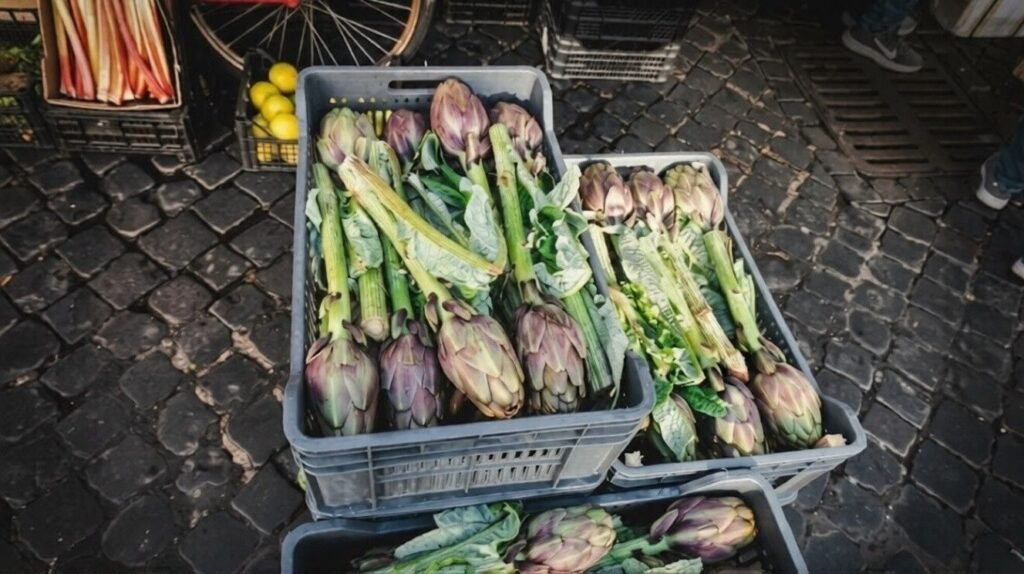
When I think of herbs for Roman artichokes, I start with Rome and Carciofi alla Romana. The main herb is mentuccia, also called Calamintha nepeta or lesser calamint.
Some cooks also use Nepitella, known as Calamintha glandulosa, another calamint in the mint family. Its taste is milder, with soft mint flavor and warmer notes.
Those notes feel close to oregano and thyme. That herb is hard to find at the grocery store unless you grow it yourself in the United States.
Many cooks use fresh mint as a common substitute. In Italy, parsley is often blended in too and kept close at hand for daily cooking.
There is also Cilantro in an old artichoke recipe for Cynara. The Roman cookbook tied to Apicius, written in Latin around the 4th century AD, used coriander.
Later, it faded from common consumption and was less favored in Italy. That older version also used leeks, dill, ground caraway, cumin, lovage, seeds, and pepper.
It included garum in place of salt and finished with beaten eggs. That makes it sound like an ancient Roman artichoke omelet more than the version cooked today.
Artichoke Season
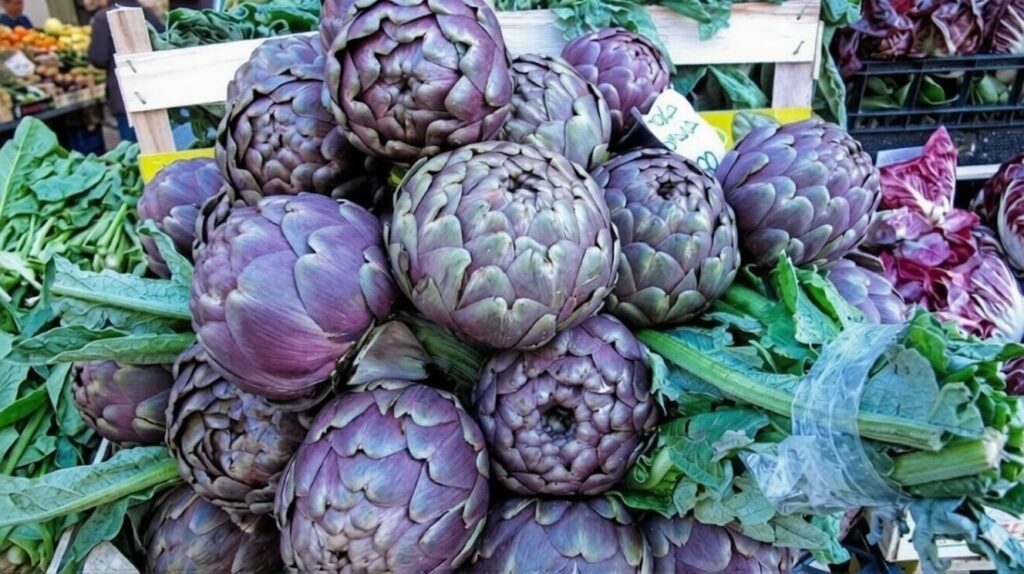
The best time to make them is in the spring. That is when I really indulge in artichokes. These tender-hearted thistles fill markets and tables with exquisite flavor and texture.
For cooks, origin matters too. The sandy, well-drained soil and climate along the California coast are ideal for growing them with steady quality.
The exact timing of the season can shift. In California, it often runs from March to May, with peak season in April. That is usually when I buy them the most.
In Rome, the main artichoke season begins in winter and continues through spring. It is often peaking around March and April, which makes me want to visit.
What Kind of Artichoke to Use
For this recipe, the Romanesco artichoke is the most commonly used choice for the dish. It also goes by Cimarolo and Mammolo in parts of Italy. I trust it often.
Other large artichoke varieties work well, too. Try Green Globe, Violetta, or Big Heart artichokes. These are often available throughout the year, which makes shopping much more practical. I have also used a Spinoso variety. It can be very spiny, so be careful.
Look for tightly closed leaves. That is a clear sign of freshness. It matters a lot. If leaves have started to open, the artichoke may be getting old. Then you may find tougher leaves and a more invasive inner choke.
How to Store Artichokes
To store artichokes for Roman-style cooking, keep the stems and remove only the loose outer leaves before storage.
When stored properly, they can last a week in the refrigerator with ease. For the best flavor and texture, use them as fresh as possible.
Keep them away from moisture until needed. Do not wash them before cooking. Store them unwashed and completely dry.
A crisper drawer works very well here. A loosely closed plastic bag also helps protect them without trapping too much dampness.
If they have fairly long stems, even foot long, place them like a bouquet in a vase of water, refreshed with new water every other day.
How to Prep Artichokes for Carciofi alla Romana
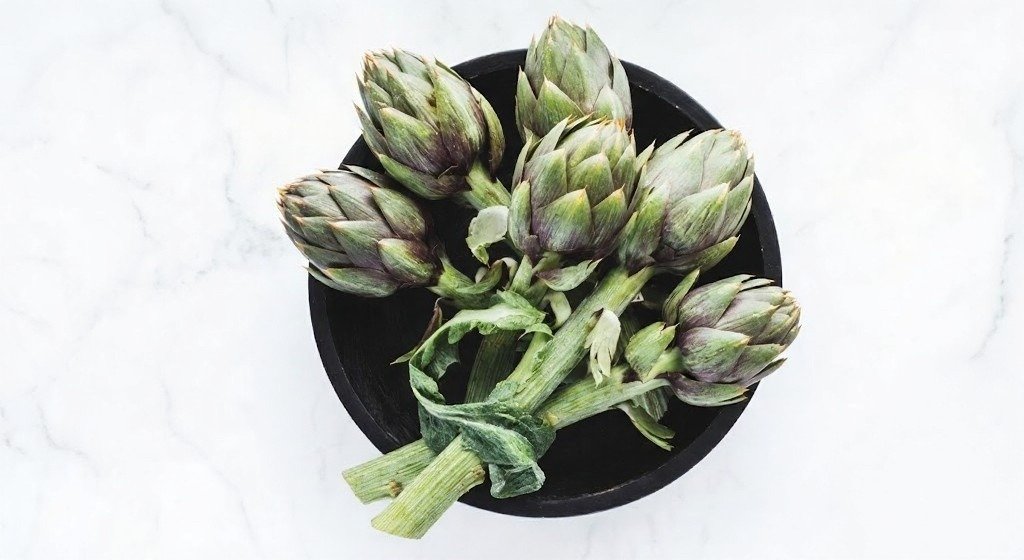
Most home cooks will not face dramatic spikes, despite what one photo may suggest. My first thought with a very wild batch was honestly yikes. Still, that was unusual, not the rule for everyday Roman artichokes.
I once had a bouquet of spiky artichokes with long stems resting in a black wooden bowl. Even then, the ones most people buy are usually a teeny bit less spiny. That matters because sharp needles and spikes on leaves can look more frightening than they really are.
One especially delicious variety came from the Italian island of Sardinia. It was the famous Spinoso di Sardegna, a type that asks for real devotion in the kitchen. As someone who cooks carefully and often, I can say that patience helps more than force.
At one point, an artichoke splinter even got into Francesco’s finger. Yes, ouch. Even so, the result was absolutely worth it.
A Note about the Fuzzy Choke
One part that often needs care is the fuzzy choke inside the artichoke. In Italy, people may call it fieno, meaning hay, or barba, meaning beard. To me, it can look a bit like fur, or like the white bristles of a paintbrush.
Many people ask if the choke edible question has a clear answer. Some say it is inedible, yet I have eaten it in younger and smaller artichokes. In those cases, it can be less fibrous, though it still feels close to insoluble indigestible fiber and plain roughage.
For easier prep, I carefully cut the artichoke into two halves first. That helps me remove the choke without hurting the tender hearts. From a cook’s view, this is the safest way to keep the center neat.
Yes, cutting them changes the visual effect on the plate. You lose the look of whole artichokes, but they often cook faster this way. That also helps protect the green color from fading too soon.
In my kitchen, the trade-off is worth it. The cut sides can caramelize beautifully and still give great flavor. This method feels more practical, especially when I want a calm and easy result.
My Tips for the Best Roman Artichokes
There are different versions of carciofi alla Romana, but the basics stay simple. Most Roman-style artichokes are braised with wine or water, left to stew. In my experience, that can lead to a bland taste and a steamed texture. The result may feel waterlogged or even winelogged.
I prefer less liquid than a typical braise uses. My method follows a reverse process. I raise the heat only after the artichokes are fully cooked and softened. When the liquid evaporated stage begins, caramelization builds deep flavors, beautiful color, and the perfect texture.
I also changed the stuffing order. I add garlic and herbs near the end, not at the start. That keeps them fresher, more vibrant, and lightly sautéed instead of flat from liquid. It also helps the garlic not burn, which matters when you want a stronger flavor without adding more liquid.
I use plenty of parsley because the incredible taste pairs so well with artisan bread. The sauce becomes even better with fruity extra virgin olive oil. I like to drizzle a little onto individual plates. Used this way, it acts as a raw flavoring and needs to be of great quality.
Serving Suggestions for Roman Artichokes
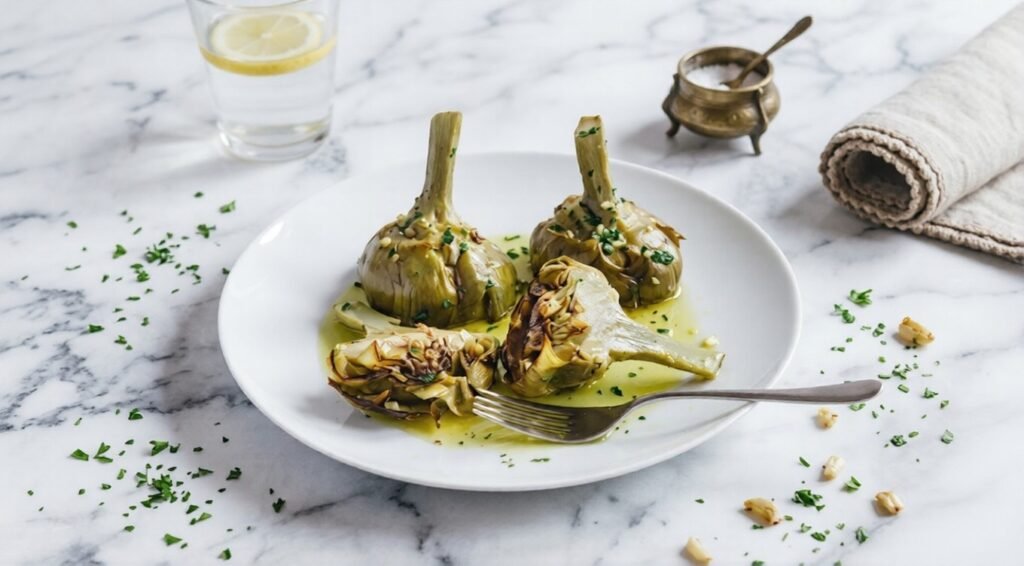
Once cooked, Roman-style artichokes deserve careful serving. That is where the dish starts to feel complete. I always look for balance, contrast, and easy texture. Good sides make the plate feel more Roman.
I often serve them with roasted potatoes and peas. Fresh fava beans also work very well here. They can be sautéed with a little onion. A little olive oil brings everything together.
That mix is a good pairing for everyday meals. It can become a great pairing for guests. For a lighter table, serve them as an appetizer. They also fit naturally into a small aperitivo.
A slice of garlic toast adds crisp contrast. A block of aged cheese gives salty depth. This makes a good accompaniment for warm artichokes. It also suits the Italian aperitif style.
With wine, I prefer a crisp, dry white. Look for mineral undertones in Vermentino or Sauvignon Blanc. Cynarin and other contributing compounds affect the taste buds. They can make water taste sweeter after bites.
The Recipe

For me, this Roman recipe stands out because it turns artichokes into something calm and full of character. It is a classic example of Italian cooking. It creates beauty from very simple ideas.
When they are cooked upside down with their stems, the shape feels traditional and quietly elegant in a natural way. This remains a favorite in my kitchen because the result is deeply exquisitely satisfying.
I have cooked many vegetable dishes, but few match the quiet appeal of this one.
Tools and Ingredients
For this stage, I keep the setup simple. A 4-quart pot with a lid works best. I prefer one that is heavy-bottomed. It should have medium to tall sides.
For prep, I use a Melon Baller first. A spoon also works in most kitchens. Still, the baller makes it easier to scoop. That helps remove the choke from each artichoke.
I usually begin with 4 artichokes with stems. Then I read ½ lemon, squeezed into a medium bowl of cold water. This small step helps during trimming.
For the base, I add 3 Tbsp extra virgin olive oil. It should have a good fruity flavor. Then I use 2 garlic cloves and 2 Tbsp parsley with fresh herbs.
I also add 1 Tbsp mint, ½ tsp salt, and a pinch of ⅛ tsp freshly ground pepper. These amounts stay balanced. They give the dish a clean, steady flavor.
Instructions
I treat How to Trim Artichokes as the real starting point. First, pull off 3 to 4 layers of leaves. Use a sharp paring knife to cut 1 to 1½ inches (3-4cm) from the top. Then trim the stalk. Keep it about 3 inches or 8cm long. In my kitchen, this makes the work feel easier.
Use your thumbs to spread out the outer layers toward the center and pry open the flower. Then use a spoon, melon baller, or grapefruit spoon to scrape the fuzzy choke. Protect the tender heart and discard only the rough part. Then clean the stem.
Remove the fibrous outer layer with a vegetable peeler. Place each one in a bowl right away. Fill it with cold lemon water to slow darkening. I use an old cutting board for this prep. I also wear culinary gloves. Stains on hands can last a day or two. That part is real.
If you get a stained area, rub in olive oil first. Then wash with soap. Use water after that. You can also try baking soda as a soft paste. I sometimes add lemon juice or white vinegar, too.
Both can help. If needed, cut them into two halves for easier prep and a more beautiful finish. They also turn nicely caramelized this way. For cooking, start with a heavy-bottomed tall pot. Add 1 Tbsp olive oil or 15ml first. Then pour in ¼ cup of water.
That equals 60ml. Set the artichokes upside down and cover with the lid. Add salt and bring everything to a gentle simmer for 10 minutes. Cook until barely tender. Then uncover and increase the heat to medium-high.
Let them cook for 5 more minutes. By then, the liquid evaporated. The bottom should look golden brown. Then take off the heat and rest for 5 minutes. Meanwhile, mince the garlic, parsley, and mint together. Keep it fine.
In a separate small skillet, use medium-low heat. Warm 2 Tbsp olive oil or 30ml. Cook for 1 minute only. Move the artichokes to a platter. Then drizzle generously. Use the garlic herb olive oil sauce over the top. Season the inside with pepper.
FAQ’s
Q. What makes Roman artichokes special?
Ans: Roman artichokes are loved for their simple ingredients, deep flavor, and elegant Roman-style presentation.
Q. Which oil is best for Roman artichokes?
Ans: A fresh, fruity extra virgin olive oil works best because it adds rich flavor and helps cook the artichokes well.
Q. Why is garlic important in this recipe?
Ans: Garlic gives the dish much of its bold, savory flavor and should not be skipped.
Q. What herbs are commonly used for Roman artichokes?
Ans: Mint, parsley, and sometimes mentuccia are commonly used to give the dish its fresh and classic Roman taste.
Q. When is the best season to make Roman artichokes?
Ans: Spring is the best season, especially around March to May, when artichokes are at their peak.
Q. What type of artichoke is best for this dish?
Ans: Romanesco artichokes are the traditional choice, but Green Globe, Violetta, and Big Heart also work well.
Q. How should artichokes be stored before cooking?
Ans: Store them unwashed and dry in the refrigerator, preferably in a crisper drawer or loosely closed plastic bag.
Q. What is the fuzzy choke inside an artichoke?
Ans: The fuzzy choke is the fibrous inner part that is usually removed before cooking because it can be tough to eat.
Q. What is the best cooking method for Roman artichokes?
Ans: They are best cooked gently first, then finished over a higher heat so they caramelize and develop better flavor.
Q. What can you serve with Roman artichokes?
Ans: They pair well with roasted potatoes, peas, fava beans, garlic toast, aged cheese, and a crisp dry white wine.