
The Mediterranean diet is not built around a list of completely forbidden foods. Instead, it emphasizes foods that are eaten regularly and limits foods that are highly processed or high in added sugar, sodium, refined carbohydrates, or saturated fat.
A food does not need to disappear from your diet forever. What matters most is how often you eat it, the portion you choose, and what the rest of your overall eating pattern looks like.
Key Takeaways
With the basics clear, the important warnings come next. To follow the Mediterranean diet, watch problem items closely. Start with processed foods, refined sugars, and refined grains. These choices raise intake fast and weaken daily balance.
I often see trans fats hiding inside packaged snacks. They add saturated fat, plus extras like butter. Next, check red meat and high-fat dairy products. Over time, that pattern links with heart disease. In practice, I tell clients to avoid excess first. Small swaps feel realistic, steady, and easier to keep.
What Foods to Avoid on the Mediterranean Diet
In the Mediterranean diet, this matters just as much. From clinic work, I see confusion start here.
The first issue is anything heavily processed or artificial. Many packaged meals hide additives and other unhealthy extras. That weakens the whole-food approach this plan naturally promotes. It works best with whole foods, not shortcuts.
One label check helps: see what each item contains. The main types are snack foods, sauces, and sweets. In practice, I tell clients to avoid processed ingredients.
Too much consumption can crowd out more healthy choices. I find patients do better with simple swaps. Small changes keep this dietary pattern practical and steady.
Processed Meat & Foods
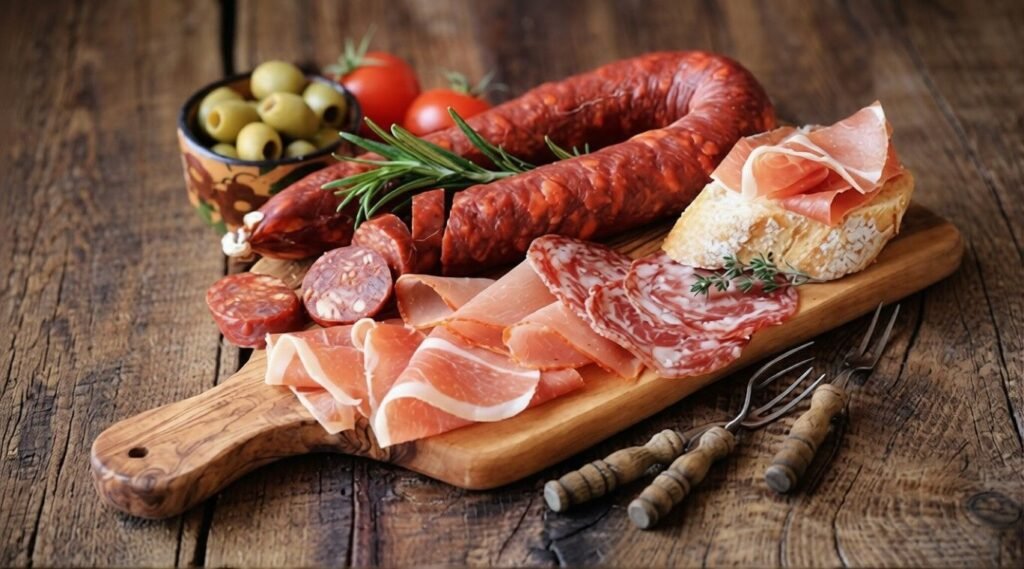
After the basics, this section turns to processed meat. In Mediterranean-style eating, these products are a no-no. That habit can quietly push choices away from balance. Common examples include bacon, sausages, and hot dogs. They often contain extra salt and chemical preservatives.
Regular intake may raise chronic diseases over time. It is linked with heart conditions, stroke, and cancer. Even small daily portions can add up fast. Better options fit this pattern more naturally. These swaps feel realistic and work well in practice.
Limit: Sausages, bacon, hot dogs, and heavily processed deli meats.
Try instead: Fish, chicken, eggs, beans, lentils, or homemade roasted meat.
Refined Grains
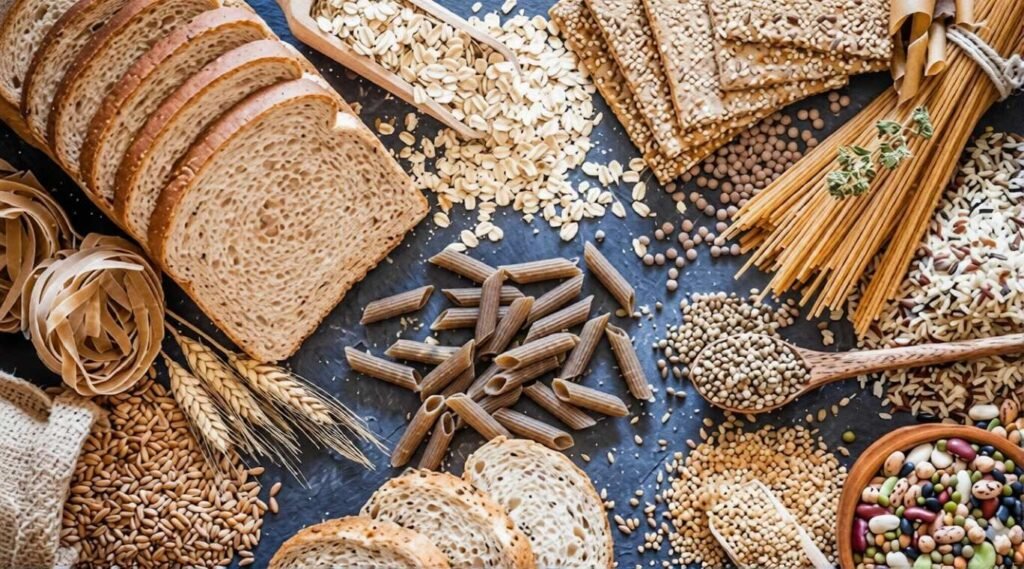
After the basics, refined grains need closer attention here. I often start with white bread and regular pasta. These foods are usually low in fibre and less filling. That makes them weaker choices in this eating pattern.
This can raise blood sugar and cause a fast spike. Over time, frequent consumption may support obesity risk. In practice, I tell clients to avoid daily reliance. These swaps usually feel easier and support steadier habits.
From experience, people do best with healthier grains first. That keeps the first topic in view without repeating it. This section simply narrows down where problems often begin.
Limit: Foods made mainly with refined flour when they replace more nutritious choices at most meals.
Try instead: Oats, brown rice, barley, whole-grain bread, whole-wheat pasta, or a mixture of refined and whole grains during the transition.
Hydrogenated Oils
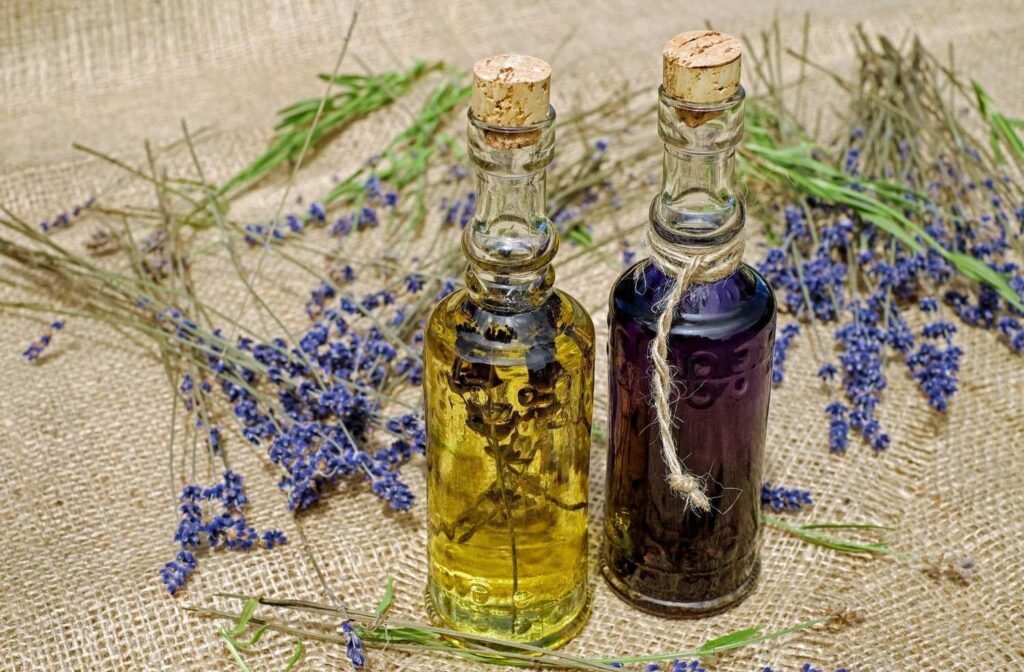
Here, hydrogenated oils need closer attention within this topic. They differ from healthy oils used in better daily meals. Many start as vegetable oil, canola oil, or corn oil. That treatment leaves them less stable for regular use.
With time, the fats can become oxidised and harmful. Once consumed, they may support free radicals inside the body. Those unstable compounds can be damaging to cells over time.
I usually tell clients to prevent excess first. The goal is to reduce unhealthy fats, not fear all fat. A better choice is olive oil in simple meals. That shift feels practical and fits this topic naturally.
Processed Dairy Products
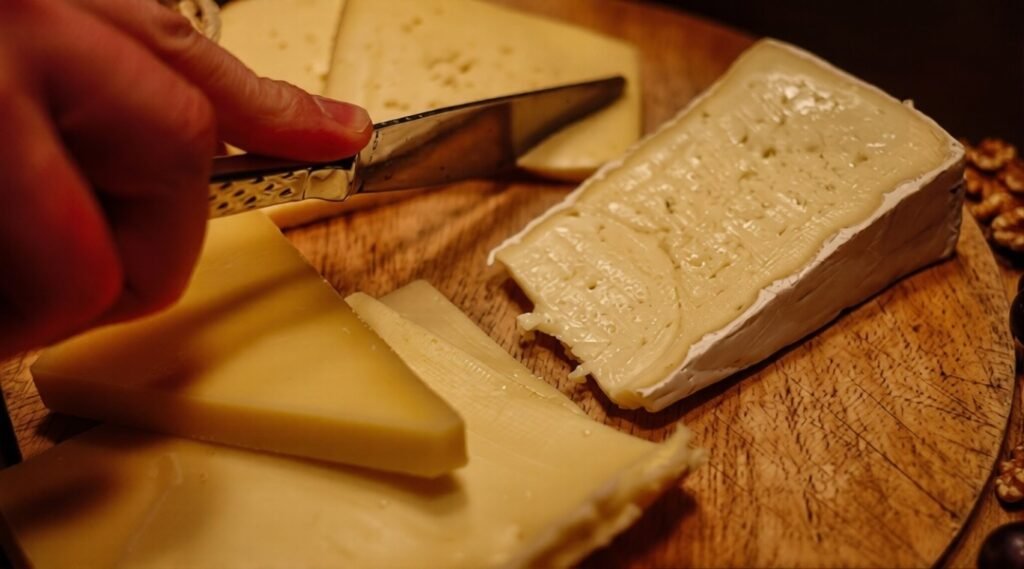
This section covers processed dairy products within the Mediterranean diet. I often see confusion around each dairy food choice. Some items are allowed, but only with clear limits. That keeps the first topic present without repeating it.
Watch cheese slices, spreads, cream, and butter closely. These products may contain trans fats and extra additives. Some also use emulsifiers and artificial colouring unnecessarily. In practice, I tell clients to avoid routine use.
Frequent consumption of these foods shifts the daily balance fast. That is why weekly intake matters more than labels. I usually suggest whole cheeses instead of factory-made versions. They fit better when used in moderation.
From experience, simple swaps work better than strict rules. Pick cleaner cheese and limit rich packaged options. This keeps the Mediterranean diet practical and realistic. It also makes smarter dairy food habits easier.
Processed Desserts & Prepackaged Foods

With the basics clear, this next risk deserves attention. In practice, I flag processed desserts very early. They weaken the food pattern more than expected. The first topic still matters, but this narrows the focus.
Many prepackaged foods hide extra sugar, sodium, and preservatives. Some also use artificial sweeteners and bright colourings. They seem tasty, then become strangely addictive over time. For health, that pattern rarely works well.
When regularly consumed, even convenient fast foods shape habits. People start to crave quick, prepackaged meals and similar products. Most stay low in fibre and weak in micronutrients. I see this often in people with a sweet tooth.
Better answers are simple and still feel satisfying. Choose fresh fruits when you want something sweet. A little dark chocolate also fits better sometimes. I prefer a homemade whole-food dessert for balance.
Alcohol

With basics set, alcohol needs a careful place here. In the Mediterranean diet plan, context matters more than myths. I often remind clients that this is about lifestyle. It still depends on guidelines, habits, and first-topic balance.
Alcohol is not a required part of the Mediterranean diet. People who do not drink should not start for health reasons. Those who do drink should consider their health conditions, medications, age, and advice from a healthcare professional.
Still, cocktails and strong spirits shift this pattern fast. They can crowd out healthy meals and smart meal prep. I have seen this disrupt steady home cooking. It also weakens Mediterranean-inspired dishes built on real food.
Better choices start with fresh ingredients and nutrient-dense options. That keeps the recommended use centred on moderation. In practice, I tie drinks to dinner, not mood. This keeps the first topic present without repetition.
Foods to Avoid in the Mediterranean Diet:
| Category | Foods to Avoid in the Mediterranean Diet |
| Processed Meat & Foods | Sausages, hot dogs, bacon, salami, deli meats, instant processed meals |
| Refined Grains | White bread, white rice, regular pasta, sugary cereals, crackers made with refined flour |
| Hydrogenated Oils | Margarine, shortening, packaged snacks with trans fats, and foods made with partially hydrogenated oils |
| Processed Dairy Products | Processed cheese slices, cheese spreads, sweetened flavoured yoghurt, and dairy desserts |
| Processed Desserts & Prepackaged Foods | Cookies, cakes, pastries, candy, packaged muffins, chips, instant noodles, frozen ready meals |
| Alcohol | Beer, spirits, cocktails, and excessive wine consumption |