
Medical note: This guide is for general educational purposes only and is not medical advice. If you have diabetes, heart disease, food allergies, or take medication, speak with a qualified healthcare professional or registered dietitian before making major diet changes.
For beginners, the Mediterranean diet starts with a simple meal. A smart plan supports reduced risk and steadier blood pressure. It may improve cholesterol, heart health, disease prevention, and diabetes.
Many beginners seek weight loss and better glucose management. This helps type 2 control without strict rules. Build plates around plant foods, especially fruits and vegetables. Add beans, pulses, nuts, seeds, and wholegrains often.
Use olive oil first, then choose light dairy. Good picks include chicken, eggs, and fish throughout the week. Keep moderation with red meat and processed foods.
Some enjoy wine, but only with care. This style is not calorie or carb-counted. I teach simple portions, more fibre, and steady habits. That makes the pattern practical, balanced, and deeply nutritional.
Before You Begin This Meal Plan
Before you begin this meal plan, think about your base habits. When starting healthy eating, I always ask clients to pause first. In any programme, read labels, choose simple foods, and stay realistic.
If you have diabetes, speak with your health care team first. This matters most before significant changes to your diet. It is especially important when you treat with insulin daily. Some medications can increase the risk of hypoglycemia.
Fast reducing carbohydrate intake can change your body fast. Your weight may also shift, which can mean new support. That is when medication needs may be adjusted with guidance. From practice, small steps work better and feel safer.
Before Starting the Plan
Choose two or three changes that feel realistic during your first week. Trying to change every meal, snack, drink, and cooking habit at once may make the plan harder to maintain.
Start by adding vegetables to one daily meal, replacing one refined grain with a whole-grain option, preparing one bean-based dish, and using fruit as a convenient snack.
After these changes feel normal, add another habit. The goal is not to complete a perfect seven-day menu. The goal is to create a way of eating that still works after the first week.
The Beginner Plate Method
Build approximately half the plate with vegetables or salad. Add beans, fish, eggs, chicken, lentils, or another protein. Complete the meal with a portion of whole grains, pasta, bread, or potatoes.
Finish with olive oil, nuts, seeds, olives, avocado, or a small amount of cheese. Portions can be adjusted based on hunger, activity level, and personal health needs.
Your weekly Mediterranean meal plan
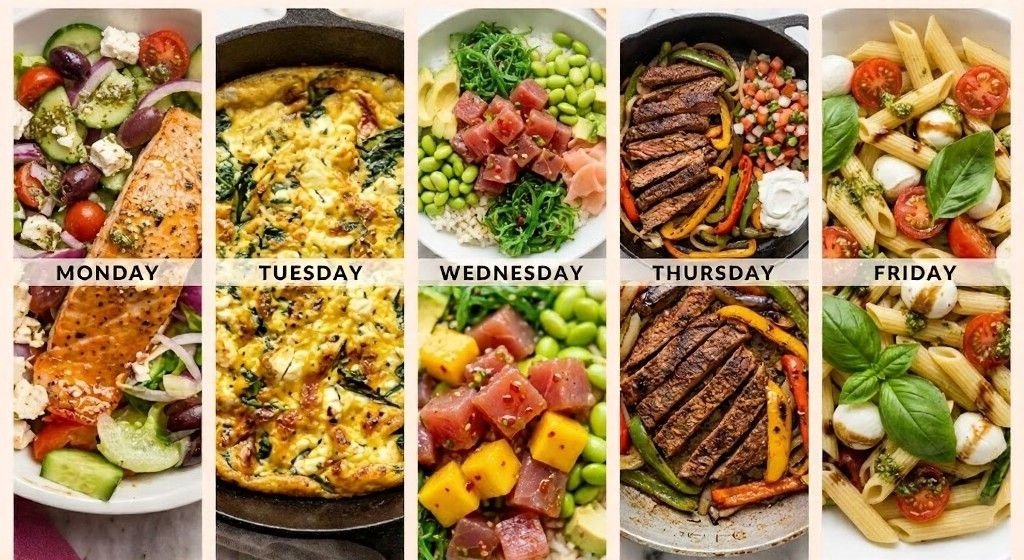
Your weekly Mediterranean meal plan should feel simple and steady. The full nutritional information comes after that basic routine. Check the exact specifications before changing your regular pattern.
Use this weekly menu as a flexible example rather than a fixed prescription. You can replace meals with similar options, choose seasonal ingredients, and adjust portions according to your appetite, activity level, and personal preferences.
The plan does not provide exact calories because nutritional needs vary from person to person. Anyone managing diabetes, kidney disease, food allergies, pregnancy, digestive conditions, or medication-related dietary needs should discuss major diet changes with a qualified healthcare professional or registered dietitian.
The weekly overview
Monday
Breakfast: Overnight oats with Greek yogurt, chia seeds and strawberries
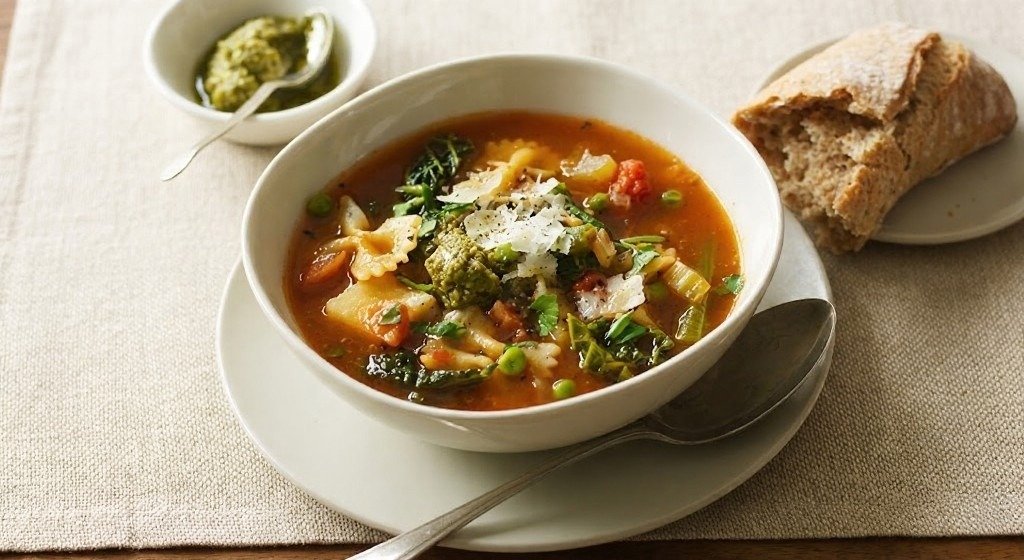
Lunch: Mediterranean lentil and vegetable soup
Dinner: Grilled herb chicken with brown rice and roasted vegetables
Pudding: Fresh fruit salad with a spoon of Greek yogurt
Snacks: Greek yogurt, one apple, one small banana, 30g plain almonds, 40g cucumber sticks and 30g houmous
Milk: 225ml semi-skimmed milk
Tuesday
Breakfast: 30g oat flakes with 125g Greek yogurt, 80g blueberries and 85g banana
Lunch: Tuna, cucumber and red pepper wholemeal wraps
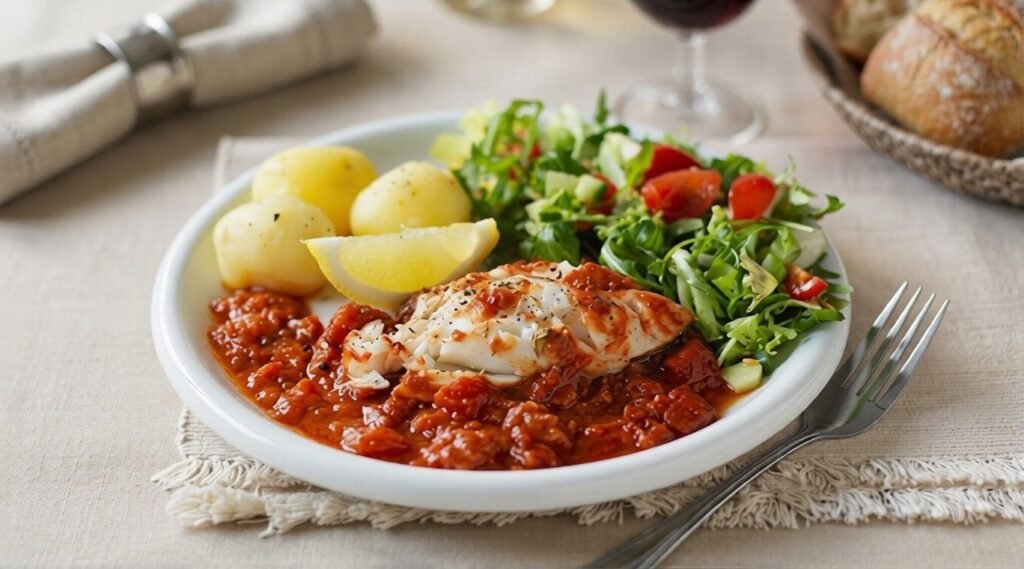
Dinner: Baked seabass with boiled new potatoes and mixed salad
Pudding: Baked apple with oats and cinnamon
Snacks: One pear with crunchy peanut butter, two oatcakes with cottage cheese and tomato, one orange
Milk: 225ml whole milk
Wednesday
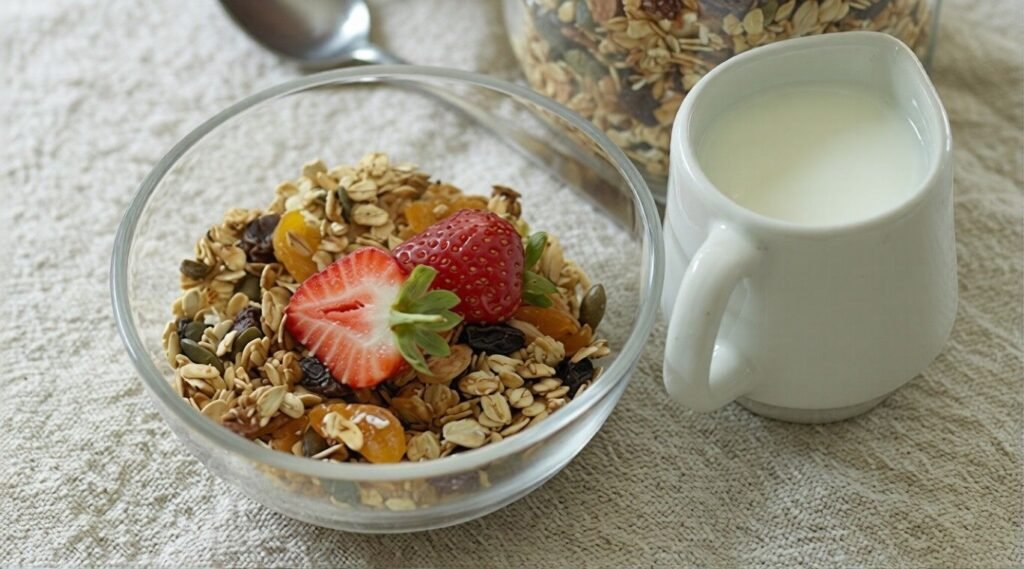
Breakfast: Bircher muesli
Lunch: Spinach and feta omelette with side salad
Dinner: Chickpea and vegetable stew with roasted sweet potato
Pudding: One medium banana
Snacks: Watermelon and Greek yogurt, plain almonds, oatcakes and houmous
Milk: 225ml semi-skimmed milk
Thursday
Breakfast: Two slices of medium granary toast with almond butter and a banana
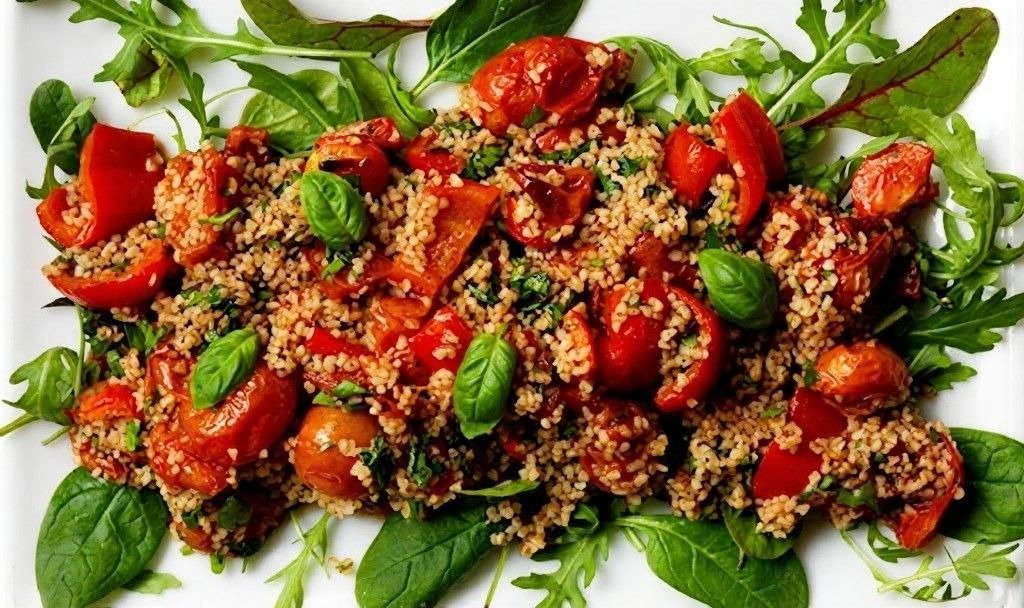
Lunch: Mediterranean quinoa salad with chickpeas and grilled chicken
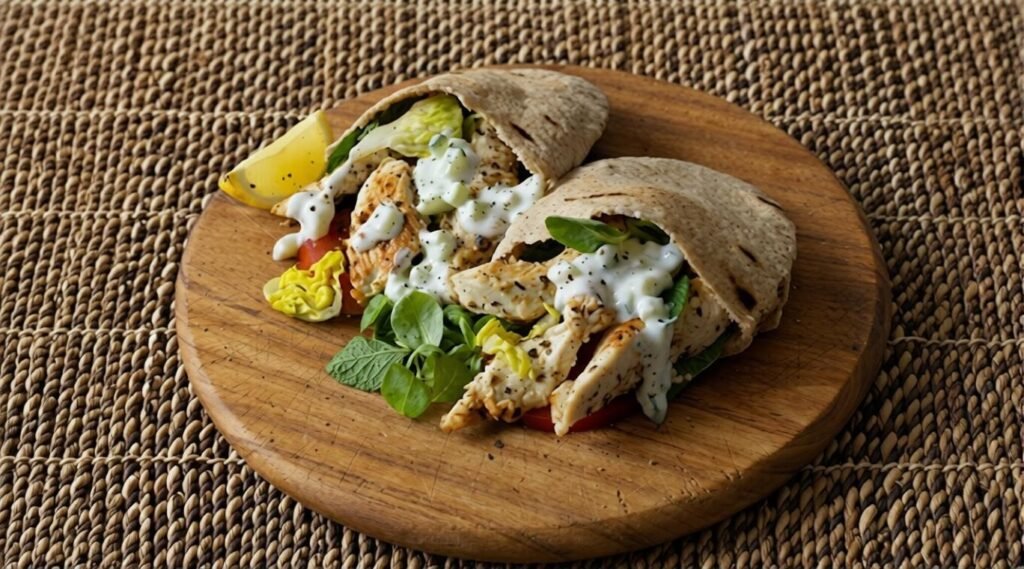
Dinner: Greek-style turkey pittas
Pudding: Berry frozen yogurt made with Greek yogurt
Snacks: Mixed fruit bowl with Greek yogurt, 50g cottage cheese with 80g cherry tomatoes and 30g pumpkin seeds, one satsuma
Milk: 225ml whole milk
Friday
Breakfast: Apple and cinnamon porridge
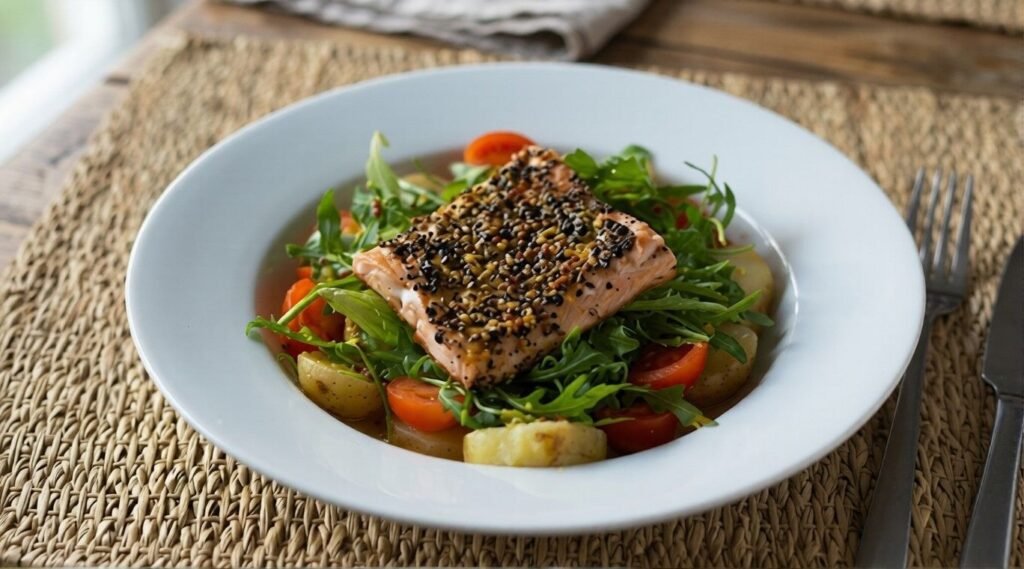
Lunch: Roasted aubergine, spinach and chickpea bowl with grilled salmon
Dinner: Prawn and avocado salad with olive oil and lemon dressing
Pudding: Pear and oat crumble
Snacks: One peach, Greek yogurt with plain almonds, roasted chickpeas
Milk: 225ml semi-skimmed milk
Saturday
Breakfast: Two poached eggs with rye bread and olive oil spread
Lunch: Grilled mackerel with baby potatoes and green beans
Dinner: Courgette, aubergine and tomato bake with peas
Pudding: Dark chocolate and fruit yogurt pot
Snacks: 80g strawberries with Greek yogurt, two oatcakes with cottage cheese and cucumber, plain almonds
Milk: 225ml whole milk
Sunday
Breakfast: Oat flakes and Greek yogurt with blackberries and banana
Lunch: Mediterranean vegetable and bean soup
Dinner: Greek homestyle baked chicken with tomato, olives, green beans and salad
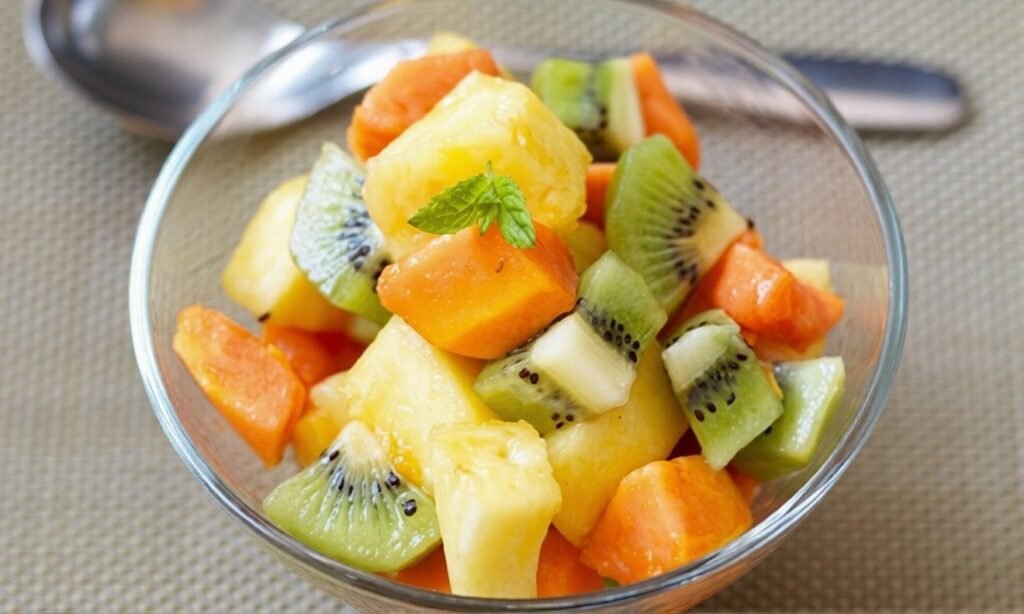
Pudding: Warm cinnamon fruit bowl with Greek yogurt
Snacks: Plain almonds, two satsumas, and a portion of roasted chickpeas
Milk: 225ml semi-skimmed milk
Adapting This Meal Plan to Suit You
Adapting this meal plan to suit you is normal. It can be adjusted to your needs, because everyone is different. I often explain that nutrients change by day and routine. So calories should match real life, not fixed rules.
For men, especially heavier ones with more muscle, needs rise. For women, young children, and those needing fewer calories, needs differ. Some adults, boys, and older girls need close review. At 11, aged 15, and above, nutritional requirements can change.
As people get older, I help them adjust portion sizes. A family may share meals, but appetites vary by member. Not everyone needs the same plate at each eating time. That is why a beginner’s plan should stay flexible.
FAQ’s
Q. What is the Mediterranean diet plan for beginners?
Ans: It is a simple, balanced eating pattern. It focuses on whole foods and healthy fats.
Q. Can a Mediterranean diet help with weight loss?
Ans: Yes, it may support steady and natural weight loss. It encourages filling meals and better daily habits.
Q. Is the Mediterranean diet good for diabetes?
Ans: Yes, it may support healthier blood sugar control. Medical guidance is important before making major changes.
Q. What foods should beginners eat more often?
Ans: Eat more fruits, vegetables, beans, nuts, and seeds. Wholegrains also add fibre, energy, and daily variety.
Q. What foods should be limited on this diet?
Ans: Limit red meat and highly processed packaged foods. Choose fresher, simpler meals more often each week.
Q. Is olive oil important in this eating plan?
Ans: Yes, olive oil is a key healthy fat. It is often used instead of butter regularly.
Q. Do I need to count calories or carbs?
Ans: No, this plan usually avoids strict counting rules. It focuses more on portions and food quality.
Q. What should I do before starting?
Ans: Review your habits and make realistic changes first. Small steps usually feel safer and easier long-term.
Q. Can this meal plan be adjusted easily?
Ans: Yes, it can suit different needs and lifestyles. Portions and meals should be tailored to each individual.
Q. What drinks are recommended with this diet?
Ans: Water, tea, and coffee are good daily choices. Try drinking them without adding extra sugar often.