
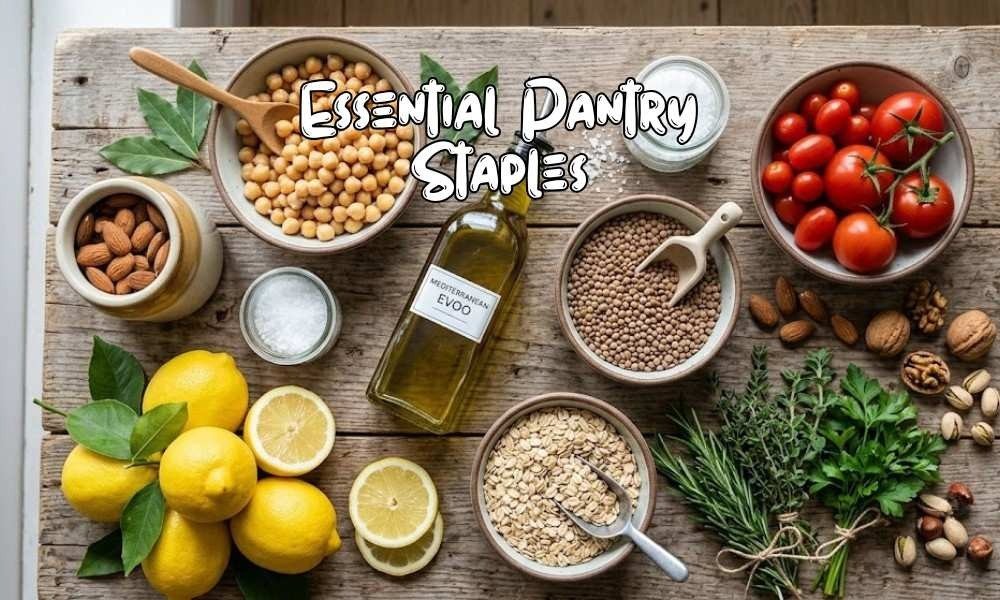
A good Mediterranean diet pantry list starts with simple foods you can use again and again: extra-virgin olive oil, beans, lentils, chickpeas, canned tomatoes, whole grains, nuts, seeds, herbs, spices, vinegar, canned fish, and a few useful fridge and freezer foods.
These staples help you build quick Mediterranean-style meals without buying expensive specialty ingredients every week.
The goal is not to create a perfect Mediterranean kitchen overnight. Start with the basics, learn how to use them, and add fresh foods like vegetables, fruit, yogurt, fish, and herbs as your weekly budget allows.
If you are new to this eating style, you may also want to read our beginner guide on what the Mediterranean diet is before building your pantry.
Quick Answer: What Should Be in a Mediterranean Diet Pantry?
A beginner Mediterranean diet pantry should include:
- Extra-virgin olive oil
- Canned or dried beans
- Lentils and chickpeas
- Canned tomatoes and tomato paste
- Brown rice, oats, barley, bulgur, farro, or quinoa
- Whole-grain pasta or couscous
- Nuts and seeds
- Red wine vinegar, balsamic vinegar, or apple cider vinegar
- Garlic, onion, dried oregano, cumin, paprika, basil, thyme, and black pepper
- Canned tuna, sardines, salmon, or anchovies
- Tahini, olives, capers, or artichoke hearts
- Frozen vegetables and frozen berries
- Plain Greek yogurt, eggs, lemons, and fresh greens for weekly shopping
For a broader beginner food overview, pair this guide with our full Mediterranean diet food list.
Core Mediterranean Diet Pantry List for Beginners
The Mediterranean diet is built around plant-forward foods, healthy fats, whole grains, beans, nuts, herbs, and regular seafood. Cleveland Clinic, Harvard, and Oldways all describe the Mediterranean pattern as a flexible way of eating that emphasizes vegetables, fruit, whole grains, beans, olive oil, nuts, herbs, and fish.
| Category | Best Staples to Buy | How to Use Them |
| Healthy fats | Extra-virgin olive oil, olives, nuts, seeds, tahini | Dress salads, roast vegetables, make sauces, add flavor |
| Beans and legumes | Chickpeas, lentils, cannellini beans, black beans, kidney beans | Add to soups, bowls, salads, wraps, and stews |
| Whole grains | Oats, brown rice, bulgur, farro, barley, quinoa, whole-grain pasta | Build breakfasts, bowls, soups, and simple dinners |
| Tomato products | Canned tomatoes, tomato paste, passata, low-sodium marinara | Make sauces, soups, shakshuka-style eggs, and bean stews |
| Herbs and spices | Oregano, basil, thyme, rosemary, cumin, paprika, cinnamon, garlic powder | Add Mediterranean flavor without relying only on salt |
| Fish and seafood | Canned tuna, sardines, salmon, anchovies | Add protein to pasta, salads, toast, and grain bowls |
| Acid and brightness | Lemon juice, vinegar, capers, pickled onions | Make simple food taste fresh |
| Snack staples | Unsalted nuts, fruit, yogurt, hummus, whole-grain crackers | Build quick Mediterranean snacks |
Mediterranean Diet Grocery List by Category
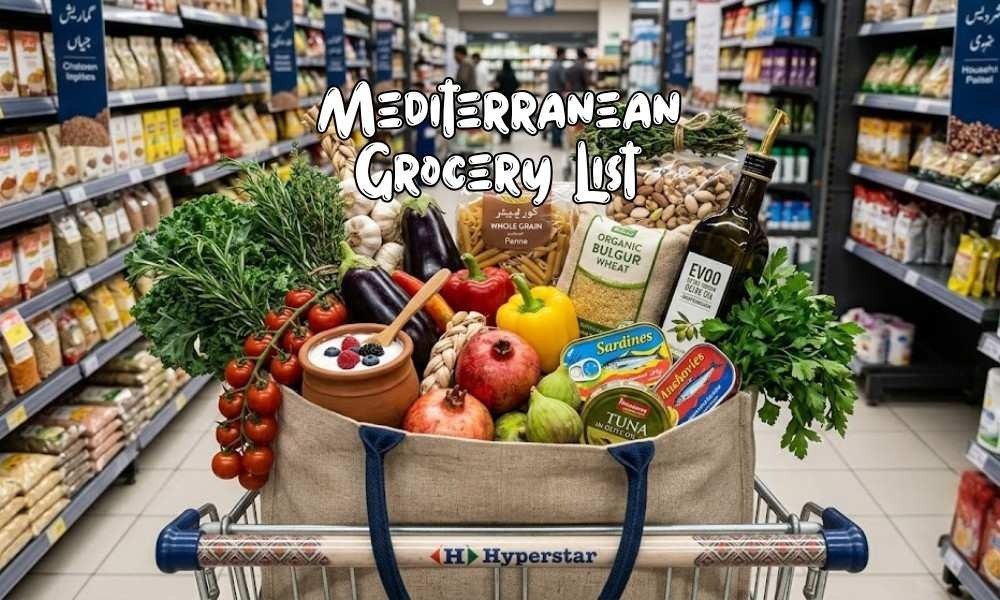
A Mediterranean diet grocery list works best when you separate long-lasting pantry foods from fresh weekly foods. Pantry foods help you cook fast. Fresh foods bring color, texture, and variety.
Pantry Staples
Keep these on hand for quick meals:
- Extra-virgin olive oil
- Canned chickpeas, white beans, black beans, and lentils
- Dried lentils and dried beans if you cook in batches
- Canned crushed tomatoes, diced tomatoes, and tomato paste
- Brown rice, oats, quinoa, bulgur, farro, barley, or couscous
- Whole-grain pasta
- Unsalted almonds, walnuts, pistachios, pumpkin seeds, chia seeds, or flaxseed
- Red wine vinegar, balsamic vinegar, or apple cider vinegar
- Tahini, olives, capers, artichoke hearts, roasted red peppers
- Canned tuna, sardines, salmon, or anchovies
- Dried herbs and spices
Fridge Staples
Buy these weekly or every few days:
- Plain Greek yogurt or plain regular yogurt
- Eggs
- Fresh greens
- Cucumbers, tomatoes, peppers, carrots, and herbs
- Feta, ricotta, or other natural cheese in small amounts
- Hummus
- Lemons
- Cooked grains or beans for meal prep
For easy morning meals, connect this pantry with our Mediterranean diet breakfast ideas, including yogurt bowls, oats, eggs, and simple whole-grain options.
Freezer Staples
Frozen foods make Mediterranean eating easier on busy days:
- Frozen spinach
- Frozen mixed vegetables
- Frozen berries
- Frozen peas
- Frozen fish fillets
- Frozen whole-grain bread or pita
- Homemade soup, cooked beans, or cooked grains
Fresh Produce
Choose produce you will actually eat. Good beginner options include:
- Tomatoes
- Cucumbers
- Bell peppers
- Leafy greens
- Zucchini
- Eggplant
- Broccoli
- Cauliflower
- Sweet potatoes or potatoes
- Apples
- Oranges
- Grapes
- Berries
- Melon
- Lemons
Fresh vs Frozen vs Canned vs Dry: What Should You Buy?
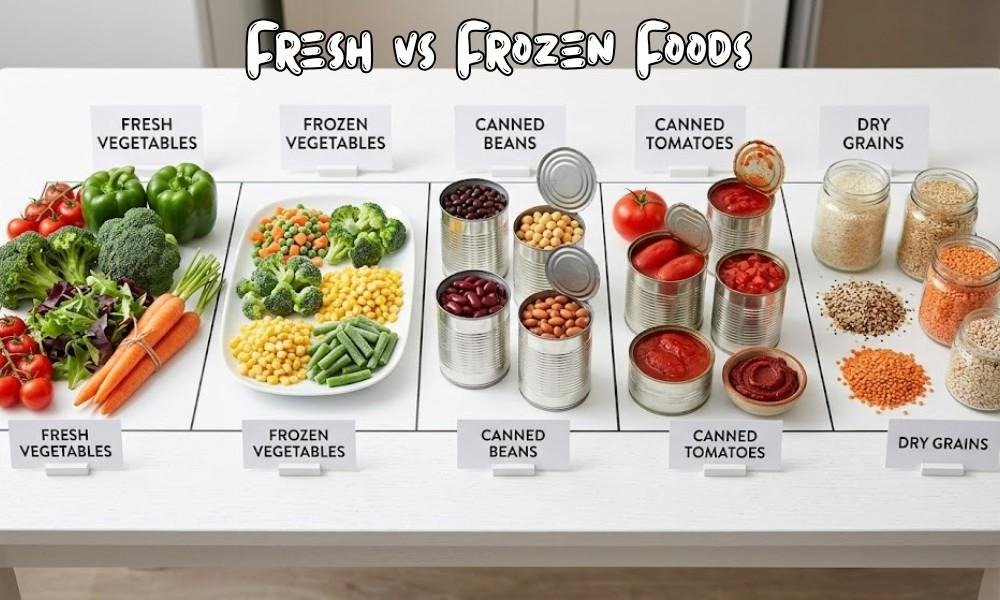
Fresh is great for salads, herbs, fruit, and vegetables you plan to eat soon. Frozen is better when you want convenience, lower waste, and year-round access. Canned is useful for beans, tomatoes, fish, and artichokes. Dry is best for grains, lentils, pasta, oats, and spices.
| Food | Best Form | Buying Tip |
| Beans | Canned for speed, dry for budget | Choose low-sodium when possible and rinse canned beans |
| Tomatoes | Canned or fresh | Use canned for sauces and fresh tomatoes for salads |
| Vegetables | Fresh or frozen | Frozen spinach, peas, and mixed vegetables are easy backups |
| Fruit | Fresh or frozen | Frozen berries work well for oats and yogurt |
| Fish | Fresh, frozen, or canned | Canned sardines, tuna, and salmon are budget-friendly |
| Grains | Dry | Buy oats, brown rice, bulgur, barley, or quinoa in larger bags |
| Herbs | Fresh and dry | Use fresh herbs for finishing and dried herbs for everyday cooking |
Label-Reading Tips for Mediterranean Diet Pantry Staples
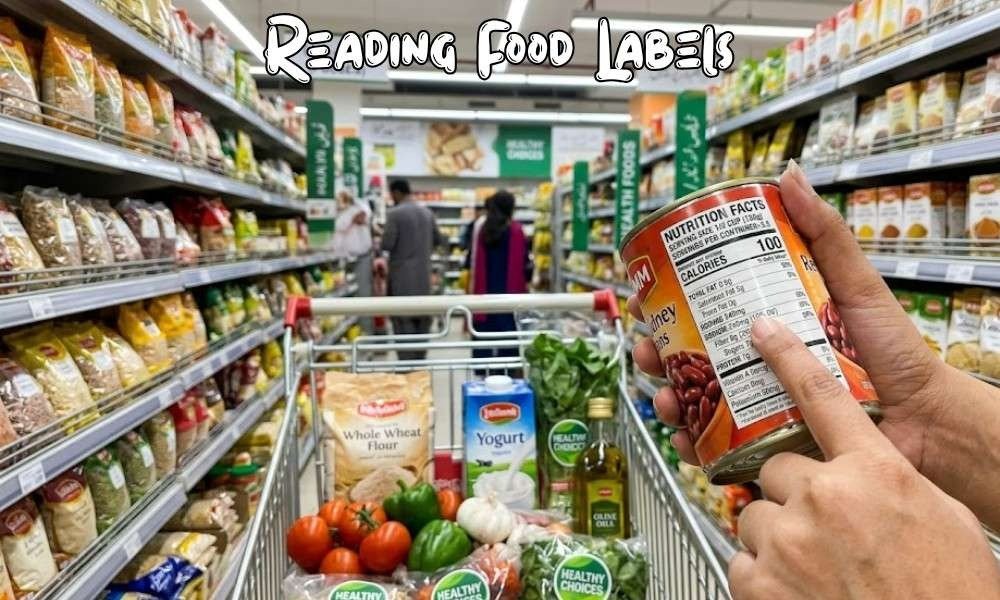
A good pantry is not only about what you buy. It is also about choosing better versions of common foods.
Extra-Virgin Olive Oil
Choose extra-virgin olive oil in a dark bottle or tin when possible. Store it away from heat and direct light. Avoid bottles that smell stale, waxy, or rancid.
Canned Beans
Look for low-sodium or no-salt-added options. Drain and rinse canned beans before using them. USDA WIC guidance also recommends choosing no-salt-added beans when available and rinsing canned beans to reduce sodium.
Canned Fish
Choose fish packed in olive oil or water. Check sodium levels, especially if you already use olives, feta, capers, or salted sauces in the same meal. The American Heart Association recommends eating fish, especially fatty fish, about twice per week, so canned sardines, salmon, and tuna can be useful budget options.
Whole Grains
Look for “whole grain” or “whole wheat” as a main ingredient. For oats, plain rolled oats or steel-cut oats are better pantry staples than sugary flavored packets.
Tomato Products
Choose canned tomatoes, passata, or tomato paste with simple ingredient lists. Watch for added sugar in jarred sauces.
Yogurt
Choose plain yogurt instead of flavored yogurt. Add your own fruit, nuts, cinnamon, or a small drizzle of honey if needed.
Snacks
Choose unsalted nuts, whole-grain crackers, hummus, fruit, or yogurt more often than chips, cookies, or sweet snack bars.
Sodium Check
When buying canned foods, sauces, crackers, olives, capers, or canned fish, check the Nutrition Facts label. The FDA explains that 5% Daily Value or less of sodium per serving is considered low, while 20% Daily Value or more is considered high.
Mediterranean Diet Grocery List on a Budget
You do not need expensive imported products to follow this eating pattern. A Mediterranean diet grocery list on a budget can be built from simple foods.
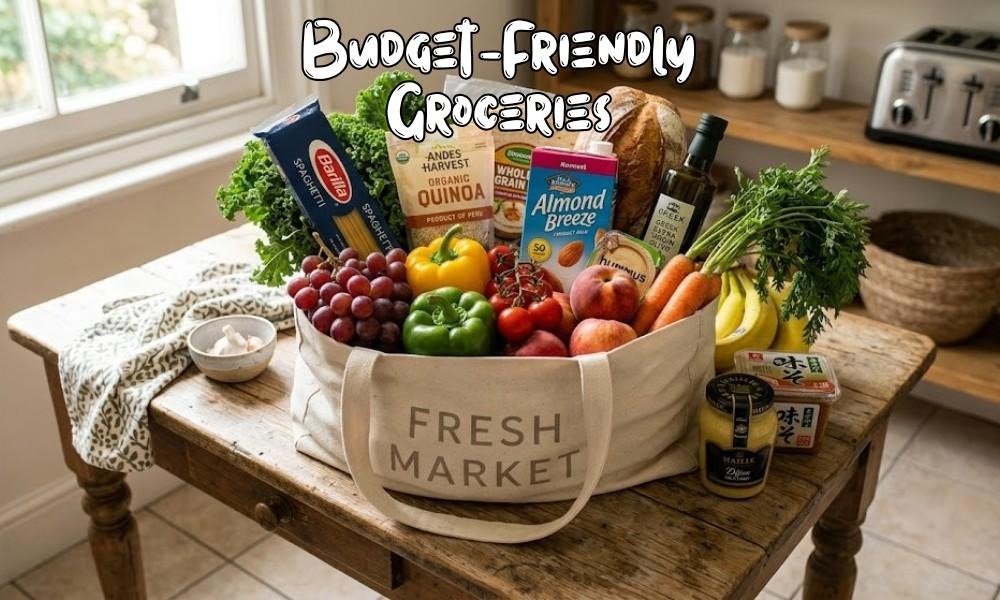
| Instead of Buying | Budget-Friendly Swap |
| Fresh salmon every week | Canned sardines, tuna, salmon, or frozen fish |
| Specialty farro or freekeh | Brown rice, oats, barley, bulgur, or whole-wheat pasta |
| Fresh berries out of season | Frozen berries |
| Expensive salad kits | Cabbage, carrots, cucumbers, greens, and homemade dressing |
| Ready-made hummus | Canned chickpeas blended with tahini, lemon, garlic, and olive oil |
| Multiple sauces | Olive oil, vinegar, lemon, garlic, and dried herbs |
| Imported snack packs | Unsalted nuts, fruit, yogurt, or roasted chickpeas |
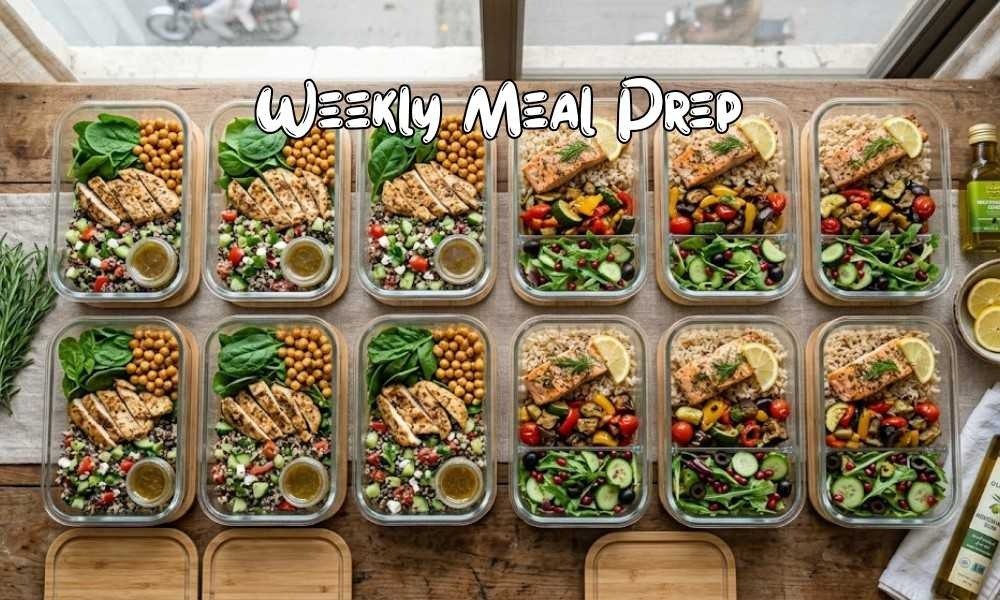
For weekly planning, you can also use our Mediterranean diet meal prep ideas to turn pantry staples into simple meals.
Pantry Substitutions for International Readers
Mediterranean-style eating is flexible. You can use local foods that match the same role.
- No farro? Use barley, brown rice, bulgur, oats, or quinoa.
- No cannellini beans? Use white beans, chickpeas, kidney beans, or lentils.
- No Greek yogurt? Use plain unsweetened yogurt.
- No fresh basil? Use dried basil, oregano, parsley, or thyme.
- No fresh fish? Use frozen fish or canned fish.
- No tahini? Use hummus, plain yogurt sauce, or a small amount of nut butter in some dressings.
- No whole-grain pita? Use whole-grain bread, roti, flatbread, or rice depending on your region.
Simple Meals You Can Build From Pantry Staples
A Mediterranean diet meal plan grocery list becomes easier when you think in simple building blocks:
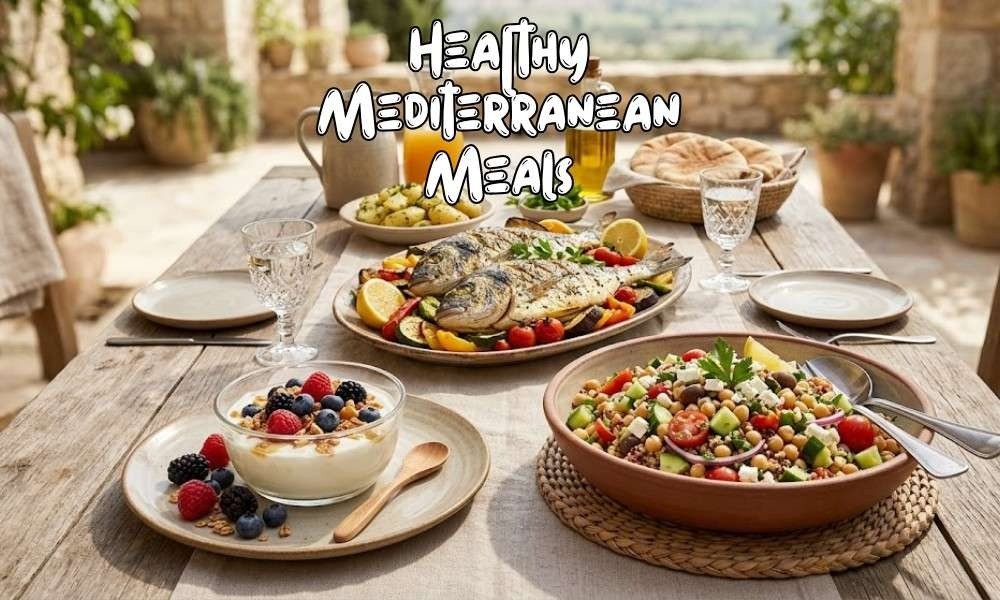
Whole grain + protein + vegetables + healthy fat + flavor
Breakfast Ideas
- Oats with yogurt, berries, walnuts, and cinnamon
- Whole-grain toast with eggs, tomatoes, and olive oil
- Greek yogurt with fruit, nuts, and chia seeds
- Cottage cheese or yogurt bowl with peaches and pistachios
Lunch Ideas
- Chickpea bowl with quinoa, cucumber, tomato, olives, and lemon dressing
- Tuna and white bean salad with herbs and olive oil
- Lentil soup with canned tomatoes and spinach
- Hummus wrap with vegetables and greens
For a simple bowl-style meal, try our Mediterranean bowl recipe with chickpeas and quinoa.
Dinner Ideas
- Whole-grain pasta with canned tomatoes, tuna, capers, and olive oil
- Lentil and vegetable stew
- Roasted vegetables with brown rice and yogurt sauce
- Fish with potatoes, greens, lemon, and olive oil
For a full-day eating rhythm, you can also follow our simple Mediterranean diet daily routine.
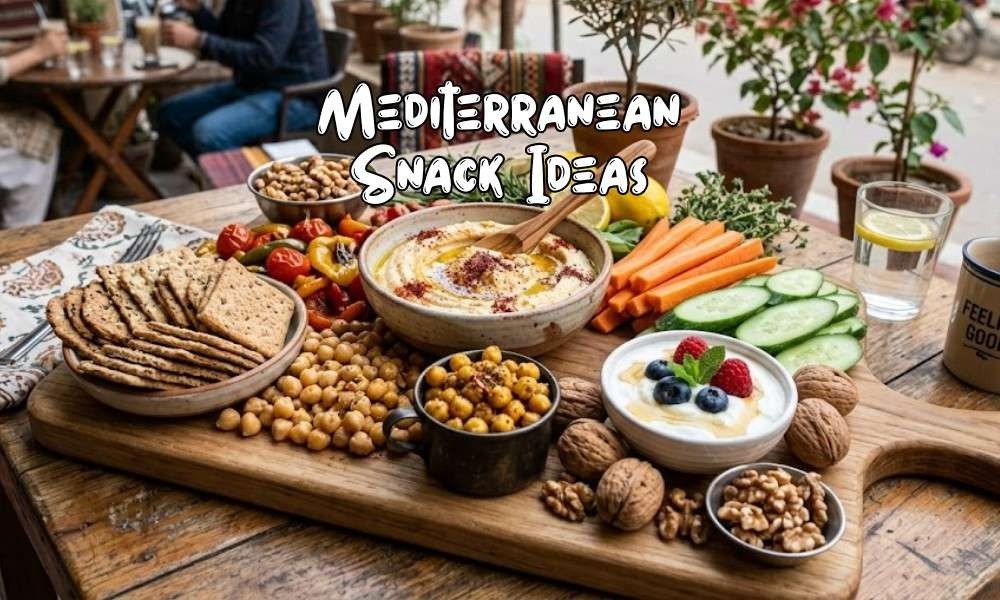
Snack Ideas
- Apple with nuts
- Yogurt with cinnamon
- Hummus with carrots or cucumbers
- Whole-grain crackers with tuna or hummus
- Roasted chickpeas
- A small handful of unsalted nuts
Beginner 7-Day Mediterranean Pantry Starter Plan
Use this simple plan when you want to start without overthinking.
| Day | Easy Meal Idea |
| Day 1 | Greek yogurt with fruit and nuts for breakfast; chickpea salad for lunch |
| Day 2 | Oats with berries; tuna and white bean salad |
| Day 3 | Eggs with tomatoes and whole-grain toast |
| Day 4 | Lentil soup with canned tomatoes and frozen spinach |
| Day 5 | Mediterranean bowl with quinoa, chickpeas, cucumber, tomato, and tahini sauce |
| Day 6 | Whole-grain pasta with tomato sauce, tuna, capers, and olive oil |
| Day 7 | Roasted vegetables with brown rice, yogurt sauce, and a side of fruit |
This plan is not strict. It simply shows how a small pantry can create many different meals.
Printable Mediterranean Diet Grocery List Checklist
Use this section as your Mediterranean diet grocery list PDF or shopping list base. Copy it into a document, print it, or save it on your phone before shopping.
| Category | Add to Your List |
| Olive oil and fats | Extra-virgin olive oil, olives, tahini, avocado, nuts, seeds |
| Beans and legumes | Chickpeas, lentils, cannellini beans, black beans, kidney beans |
| Whole grains | Oats, brown rice, quinoa, bulgur, barley, farro, whole-grain pasta |
| Tomato products | Canned tomatoes, tomato paste, passata, low-sugar marinara |
| Fish and protein | Canned tuna, sardines, salmon, eggs, chicken, frozen fish |
| Dairy | Plain Greek yogurt, plain yogurt, feta, ricotta, cottage cheese |
| Fresh vegetables | Greens, tomatoes, cucumbers, peppers, carrots, zucchini, broccoli |
| Fruit | Apples, oranges, berries, grapes, melon, peaches, lemons |
| Frozen foods | Frozen berries, spinach, peas, mixed vegetables, fish fillets |
| Herbs and spices | Oregano, basil, thyme, rosemary, cumin, paprika, cinnamon, pepper |
| Flavor boosters | Vinegar, capers, garlic, onion, lemon, roasted red peppers |
| Snacks | Nuts, hummus, fruit, yogurt, whole-grain crackers |
What to Limit Without Feeling Restricted
The Mediterranean diet is not about banning every food you enjoy. It simply encourages you to eat some foods less often.
Limit these most of the time:
- Sugary drinks
- Candy and packaged desserts
- Processed meats
- Deep-fried snacks
- Refined white bread and pastries
- Foods high in added sugar
- Foods high in sodium
- Butter-heavy and cream-heavy sauces
- Hydrogenated oils and trans fats
You can still enjoy occasional treats. The key is to make everyday meals mostly built from vegetables, fruit, beans, whole grains, olive oil, nuts, seeds, fish, yogurt, eggs, and simple home cooking.
For a more detailed guide, read our page on foods to avoid in the Mediterranean diet.
Common Beginner Mistakes
Buying Too Many Specialty Ingredients
You do not need 10 types of grains, 20 spices, or expensive imported foods. Start with familiar staples.
Forgetting Protein
A bowl of vegetables is not always filling. Add beans, lentils, fish, eggs, yogurt, or chicken.
Ignoring Sodium
Olives, feta, canned fish, sauces, and canned beans can add up. Choose lower-sodium options and rinse canned foods when helpful.
Using Olive Oil Like It Has No Calories
Olive oil is a healthy fat, but it is still energy-dense. Use it with purpose, not without limit.
Only Eating Salads
Mediterranean meals can include soups, stews, bowls, pasta, fish, eggs, roasted vegetables, potatoes, and yogurt-based meals.
Skipping Meal Prep
Cook one grain, one bean or lentil, and one tray of vegetables. This makes the whole week easier.
FAQs
What should be in a Mediterranean diet pantry?
A Mediterranean diet pantry should include extra-virgin olive oil, beans, lentils, chickpeas, canned tomatoes, whole grains, nuts, seeds, herbs, spices, vinegar, tahini, olives, and canned fish. Add fresh produce, yogurt, eggs, and frozen vegetables weekly.
What is a good grocery list for the Mediterranean diet?
A good Mediterranean diet grocery list includes vegetables, fruit, beans, lentils, whole grains, olive oil, nuts, seeds, fish, eggs, plain yogurt, herbs, and simple flavor boosters like lemon, garlic, and vinegar.
What snacks are allowed on the Mediterranean diet?
Good snacks include fruit, unsalted nuts, Greek yogurt, hummus with vegetables, roasted chickpeas, whole-grain crackers, olives in small portions, or a simple yogurt bowl with berries and seeds.
What is not allowed on the Mediterranean diet?
The Mediterranean diet does not usually ban foods completely. It encourages limiting sugary drinks, processed meats, refined grains, packaged sweets, deep-fried snacks, and foods high in sodium, saturated fat, or trans fat.
Can you eat yogurt on a Mediterranean diet?
Yes, plain yogurt can fit well. Choose unsweetened yogurt or Greek yogurt, then add fruit, nuts, cinnamon, or a small amount of honey instead of buying sugary flavored yogurt.
Can I eat potatoes on a Mediterranean diet?
Yes, potatoes can fit. Roast, boil, or bake them with olive oil, herbs, garlic, lemon, and vegetables. Try not to make deep-fried potatoes or heavily loaded versions your everyday choice.
What are common mistakes on the Mediterranean diet?
Common mistakes include buying too many specialty foods, not eating enough protein, ignoring sodium in canned items, overusing olive oil, relying only on salads, and not planning simple meals ahead.
Can I eat chicken every day on a Mediterranean diet?
You can eat chicken, but daily chicken is not necessary. For better variety, rotate chicken with beans, lentils, fish, eggs, yogurt, and plant-based meals during the week.
Conclusion
The best Mediterranean diet pantry list is simple, flexible, and realistic. Start with olive oil, beans, lentils, canned tomatoes, whole grains, nuts, seeds, herbs, spices, canned fish, and frozen vegetables. Then add fresh produce, yogurt, eggs, fish, and simple proteins each week.
You do not need a perfect pantry. You need a useful one. Build slowly, choose foods you enjoy, read labels carefully, and use your staples to create easy breakfasts, bowls, soups, salads, pasta dishes, and snacks.
Editorial Note
This guide was written for general food education and beginner meal planning. It is not medical advice. If you have diabetes, kidney disease, high blood pressure, food allergies, pregnancy-related nutrition needs, or another medical condition, speak with a qualified healthcare professional or registered dietitian before making major diet changes.
Written by: Mediterranean Tastes Editorial Team
Last updated: 08 July 2026
Content focus: Beginner-friendly Mediterranean pantry planning, grocery lists, label reading, and simple meal ideas